Hair loss or thinning affects millions of men and women globally. While it is normal to lose about 50-100 strands of hair in a day, excessive shedding often signals an underlying issue. Common causes of hair fall range from genetic predisposition, hormonal imbalances, to acute nutrient deficiencies or chronic stress.
Instead of reaching for "miracle" shampoos, the most holistic hair fall treatment begins with identifying why the hair is falling out. Homeopathy and natural integration focus on the "root" rather than just the symptom. By combining targeted remedies with specific diet and lifestyle adjustments, you can restore your hair’s natural growth cycle without relying on harsh chemicals.
Understanding Hair Fall: Causes & Myths
Hereditary & Hormonal Factors
The most common cause of thinning is androgenetic alopecia, often called pattern baldness. This is a genetic hair loss condition in which hair follicles shrink over time.
Furthermore, hormonal hair loss triggered by thyroid disorders, PCOS, or menopause can disrupt the growth (anagen) phase, leading to visible thinning across the scalp.
Nutritional Deficiencies
Your hair is primarily composed of a protein called keratin. Therefore, a protein deficiency can lead to brittle strands and premature shedding.
Similarly, iron deficiency hair loss is incredibly common, especially in individuals following plant-based diets. Essential vitamins for hair growth, such as Biotin, Vitamin D, and B-complex, act as the fuel your follicles need to function.
Stress & Scalp Health
High levels of cortisol can push hair follicles into a premature resting phase, a condition known as telogen effluvium. Additionally, poor scalp health, marked by dandruff or clogged pores, restricts blood flow.
This is where the benefits of scalp massage come in. Physical stimulation can improve circulation and encourage thicker growth.
Myths vs. Facts
Here are some hair fall myths that are debunked:
- Myth: Washing your hair every day causes it to fall out.
Fact: Washing removes hair that has already detached from the follicle.
- Myth: Wearing hats causes baldness.
Fact: Unless the hat is tight enough to cut off circulation, it has no impact on growth. The real culprits are high-heat styling and aggressive chemical treatments.
Holistic Hair Fall Remedy: Diet & Lifestyle
Balanced Nutrition - Diet Tips on How to Prevent Hair Fall
Nourishing your follicles starts from within. To effectively prevent hair fall, your diet should prioritize high-quality proteins like fish, eggs, and legumes, alongside iron-rich spinach and lentils to ensure oxygen reaches the scalp. Additionally, staying hydrated with 2-3 liters of water daily helps keep the hair shaft supple and reduces breakage.
Scientific research has shown that certain supplements can significantly boost hair density. For instance, taking 400 mg/day of pumpkin seed oil has been shown to increase hair counts by approximately 40% over 24 weeks in men with androgenetic alopecia.
Similarly, saw palmetto extracts like SEREVELLE can improve terminal hair counts and density in both men and women after 180 days by balancing hormonal triggers. Always consult a healthcare professional before starting these supplements to ensure they are right for your specific needs.
Stress Management & Sleep
Chronic stress is a leading trigger of telogen effluvium, a condition in which high cortisol levels shock hair follicles into a resting phase, causing them to shed weeks or months after a stressful event. To manage this, incorporating relaxation techniques such as yoga, meditation, and deep-breathing exercises is essential for lowering systemic stress.
Furthermore, a regular sleep schedule is vital. Quality rest allows the body to regulate the hormones necessary for hair repair and growth.
Scalp Care & Gentle Styling
Maintaining a healthy scalp environment is the foundation for reducing hair fall. Regular scalp massages with nourishing oils not only stimulate blood circulation but can also improve the gene expression required for hair thickness.
It is equally important to use mild, sulfate-free shampoos and avoid harsh chemical treatments like bleaches or perms that weaken the hair shaft. To prevent breakage, limit the use of high-heat styling tools and opt for air-drying whenever possible.
Exercise & Hormonal Balance
Regular physical activity is an indirect yet powerful hair fall remedy. Engaging in at least 150 minutes of moderate exercise per week improves overall blood flow to the scalp and helps regulate key hormones such as insulin, cortisol, and androgens.
By maintaining a healthy weight and staying active, you can minimize the hormonal fluctuations, such as those seen in PCOS or high-stress environments, that often lead to progressive thinning.
How to Prevent Hair Fall: Practical Steps
Dietary Adjustments
A nutrient-dense diet is your first line of defense. Ensure your meals are rich in proteins, vitamins, and minerals by including fish, eggs, legumes, leafy greens, and nuts.
For those looking for a biological boost, evidence-based supplements like pumpkin seed oil or saw palmetto can be highly effective under medical supervision. These natural components provide the building blocks necessary for hair strength and help counteract the thinning effects of androgens.
Routine Scalp Massage
A focused study found that a daily 4-minute scalp massage significantly increased hair thickness after 24 weeks. To enhance the experience and provide extra nourishment, use natural oils such as coconut, castor, or rosemary, which help deliver nutrients directly to the root.
Avoid Tight Hairstyles & Chemical Treatments
Mechanical stress can lead to traction alopecia, a form of hair loss caused by persistent pulling. To prevent this, avoid tight ponytails, braids, or buns, and try to rotate your hairstyles frequently.
Additionally, be cautious with frequent bleaching, perming, or chemical straightening. These processes weaken the hair shafts, leading to severe breakage and loss of density.
Use Gentle Products & Avoid Heat
Always opt for mild, sulfate-free shampoos and conditioners that don't strip the scalp of its natural oils. Whenever possible, let your hair air-dry.
Excessive use of blow-dryers, flat irons, or curling irons can "bubble" the hair shaft, making it brittle. If you must style your hair, always apply a heat-protectant product first to minimize damage.
Practice Yoga & Meditation
Since stress is a major physiological trigger for shedding, incorporating yoga and meditation into your life can yield visible results. Specific postures, such as downward-facing dog or child’s pose, improve blood flow to the head. Dedicating just 10-20 minutes daily to mindfulness reduces cortisol levels, effectively minimizing the risk of stress-induced telogen effluvium.
How to Stop Hair Fall: When to Seek Medical Help
While natural remedies and lifestyle changes are excellent for maintaining hair, they work best for mild to moderate thinning. If you are wondering how to stop hair fall that seems aggressive or unusual, it is time to transition from home care to professional clinical evaluation. Early intervention is often the deciding factor in successfully regrowing hair.
Warning Signs & When to Seek Help
Seek medical attention if you notice:
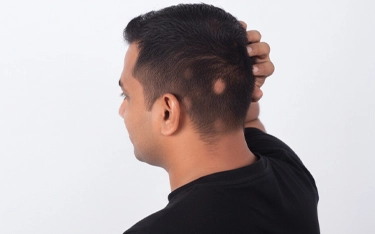
- Sudden or patchy hair loss (clumps falling out).
- Intense scalp itching, burning, redness, or scaling.
- A strong family history of androgenetic alopecia (pattern baldness).
- Accompanying systemic symptoms, such as extreme fatigue or sudden weight changes, indicate a thyroid disorder or autoimmune disorder.
Conventional Treatments
When lifestyle changes aren't enough, evidence-based medical treatments can bridge the gap. Topical Minoxidil is an FDA-approved solution that stimulates hair follicles, while oral medications like Finasteride (for men) or Spironolactone (for women) help block hormonal triggers of thinning hair.
For more advanced restoration, Platelet-Rich Plasma (PRP) therapy, which uses concentrated platelets from your own blood, can jumpstart dormant follicles. In cases of permanent loss, hair transplant surgery offers a way to relocate healthy follicles to thinning areas.
Consulting a trichologist will help you determine which of these clinical paths is right for your specific condition.






 Call Now