Hair loss is a widespread concern that affects quality of life. For most individuals, thinning hair can significantly impact confidence, self-image, and emotional well-being.
Advances in medical science have introduced regenerative therapies that aim not only to mask hair loss but also to work with the body’s natural healing processes. One such scientifically therapy.
PRP, or Platelet-Rich Plasma therapy, has gained global acceptance in dermatology and trichology for the management of hair thinning and early-stage hair loss. Clinics worldwide have incorporated PRP hair treatments into comprehensive hair restoration programs due to their safety profile and regenerative potential. This article explains what PRP hair treatment is, how it works medically, what results to expect, and who benefits most, using clear, evidence-based language suitable for both medical professionals and everyday readers.
What Is Plasma Hair Treatment and How Does PRP Work?
Plasma hair treatment is a regenerative medical procedure that uses a patient’s own blood to stimulate natural hair growth. The therapy is based on platelet-rich plasma, a component of blood that contains high concentrations of platelets and growth factors essential for tissue repair.
To understand what PRP hair treatment is, think of it as harnessing the body’s healing system. When blood is centrifuged, platelet-rich plasma is separated from other components. This concentrated plasma is then carefully introduced into the scalp, where it helps activate weakened or dormant hair follicles.
PRP hair treatment is widely used in medical fields such as orthopaedics and wound healing. In hair restoration, platelet-rich plasma therapy for hair works by improving scalp health, increasing blood supply, and stimulating follicles to re-enter the active growth phase.
How PRP Hair Treatment Stimulates Hair Growth Medically
Role of Platelets and Growth Factors in Hair Regrowth
Platelets are biologically active cells that release growth factors when activated. These growth factors play a critical role in platelet-rich plasma hair growth by repairing tissue, forming new blood vessels, and stimulating cell regeneration.
In the scalp, PRP growth factors help revive hair follicles that have become inactive due to hormonal changes, stress, or nutritional deficiencies. Plasma therapy for hair regrowth is helpful in oxygen delivery and nutrient absorption at the follicular level, creating a healthier environment for hair growth.
How PRP Strengthens Hair Follicles and Reduces Hair Fall
One of the key medical benefits of PRP is its ability to prolong the anagen phase, or active growth phase, of the hair cycle. By doing so, PRP hair treatment helps reduce excessive shedding and slows follicular miniaturisation.
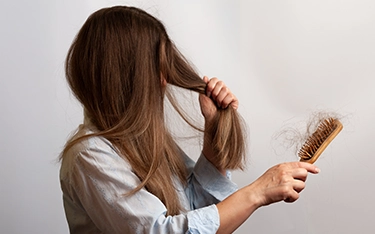
Individuals experiencing thinning, PRP hair fall reduction is gradual as follicles become stronger and stronger hair strands replace weak hair. Plasma treatment for hair thinning is especially effective when follicles are still alive but underperforming.
Step-by-Step PRP Hair Treatment Procedure Explained
Blood Collection and Plasma Separation Process
The PRP hair treatment procedure begins with drawing a small amount of blood, similar to a routine blood test. This blood sample is placed into a specialised centrifuge, which spins at high speed to separate its components.
During this PRP centrifuge process, platelet-rich plasma is isolated and prepared for therapeutic use. The plasma preparation for hair treatment is done under sterile clinical conditions to ensure safety and efficacy.
PRP Injection Into the Scalp: What Happens During the Session
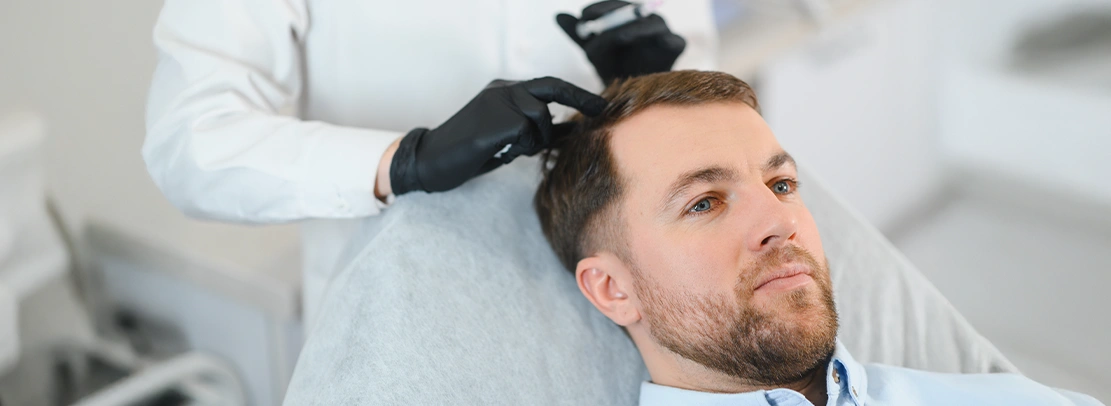
Once prepared, the PRP is injected into targeted areas of the scalp experiencing thinning. PRP scalp injections are administered using fine needles, and the session typically lasts 30-45 minutes.
To improve comfort, a numbing cream may be applied beforehand. A plasma hair treatment session is minimally invasive, and the patients resume their routine on the same day.
Benefits of Plasma Hair Treatment for Hair Loss and Thinning
The benefits of plasma hair treatment extend beyond simple hair regrowth.
- Reduction in Hair Fall: Beyond promoting regrowth, patients frequently observe a noticeable decrease in hair fall.
- Enhanced Hair Thickness and Density: The treatment works to increase the overall thickness of individual strands and improves the density of the hair across the scalp.
- Improved Scalp Health and Circulation: Plasma therapy enhances blood circulation to the scalp, leading to better overall scalp health.
- Strengthened Hair Structure: The procedure supports existing hair, making it stronger, improving its texture, and reducing its susceptibility to hair breakage.
Related Article : Is your face breaking out all of a sudden? Know the possible causes
Visible Results of PRP Hair Treatment: What to Expect Over Time
Timeline of Results After PRP Hair Treatment
Understanding PRP hair treatment results requires patience. Most individuals experience reduced hair fall within 2-3 months of starting therapy. Visible improvement in thickness and regrowth usually appears between 4 and 6 months.
The plasma hair treatment results timeline varies depending on individual factors such as age, genetics, and the severity of hair loss. PRP hair regrowth is gradual, reflecting the natural hair growth cycle.
How Long Do PRP Hair Treatment Results Last?
Typically, PRP hair treatment results can be maintained with periodic follow-up sessions. PRP hair maintenance might require one or two treatments annually, depending on individual needs. The duration and effectiveness of plasma hair therapy depend on early intervention, consistency, and overall scalp health.
Who Is an Ideal Candidate for Plasma Hair Treatment?
PRP hair treatment candidates include individuals experiencing early-stage hair thinning, androgenetic alopecia, or hair loss due to stress, illness, or nutritional deficiencies. Those wondering who should take PRP hair therapy should know it works best when follicles are still active. Plasma treatment suitability is determined after clinical evaluation and scalp analysis.
When Plasma Hair Treatment May Not Be Effective
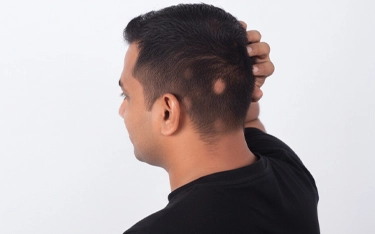
Despite its benefits, PRP hair treatment limitations exist. It may not be effective for individuals with advanced baldness, scarring alopecia, or permanently damaged follicles.
Understanding when PRP does not work highlights the importance of medical diagnosis. Plasma hair treatment is most effective when started early.
PRP Hair Treatment Safety, Side Effects, and Medical Considerations
One of the reasons PRP is widely accepted is its safety profile. PRP hair treatment safety is high because it uses the patient’s own blood, minimising allergy risks.
Temporary redness, mild swelling, or soreness may occur. Plasma hair treatment side effects are usually short-lived. When performed in a sterile medical environment, PRP is considered safe for hair restoration.
PRP Hair Treatment vs Other Hair Loss Treatments
When comparing PRP vs hair loss treatments, PRP stands out as a regenerative option rather than a symptomatic one. Unlike medications or topical solutions, PRP works at a cellular level.
Plasma therapy vs minoxidil is not an either-or choice. PRP hair treatment comparison shows it can complement medications, lasers, or lifestyle interventions as part of a comprehensive plan.
Conclusion: Plasma Hair Treatment as a Medically Proven Hair Restoration Option
Plasma hair treatment’s effectiveness is best when follicles remain viable. PRP hair restoration supports natural growth, strengthens existing hair, and improves scalp health. Early intervention and personalised assessment are crucial. Medical hair loss treatment, when guided by experienced practitioners such as those at Dr Batra’s®, offers predictable and safe outcomes through evidence-based care.






 Call Now