Introduction
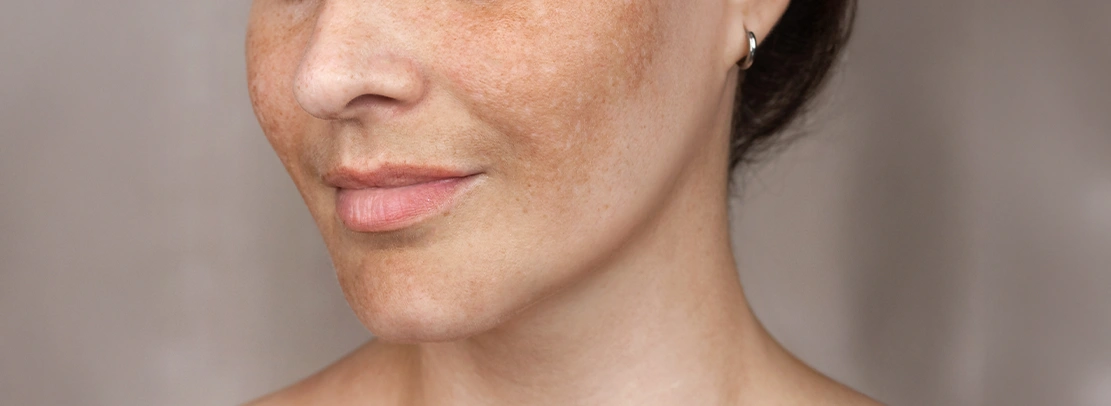
Melasma is one of the most common skin pigmentation concerns seen among people living in sunny climates like the UAE. It often appears as brown, grey-brown, or uneven dark patches on the skin, especially across the cheeks, forehead, nose, upper lip, and jawline. While melasma on face is not harmful or contagious, it can affect confidence, especially when the pigmentation becomes more visible over time.
For many people, the first question is: What is melasma and why does it keep coming back?
The answer is that melasma is usually linked to overactive pigment-producing cells in the skin. These cells can become more active due to sun exposure, heat, hormonal changes, genetics, stress, and skin sensitivity. In the UAE, where sunlight and heat exposure are part of daily life, managing melasma requires a careful, consistent, and holistic approach.
Homeopathy offers a gentle and natural way to support skin health by looking beyond the visible patches and understanding the person as a whole. At Dr Batra’s, the focus is not only on pigmentation but also on internal triggers, lifestyle, skin sensitivity, recurrence patterns, and long-term skin balance.
For people searching for homeopathy doctors in UAE, especially for chronic skin concerns like melasma, homeopathy may be considered as a safe, personalised, and non-invasive approach suitable for different age groups.
What is melasma?
Melasma is a common pigmentation condition where certain areas of the skin become darker than the surrounding skin. It usually appears in symmetrical patches, meaning it often develops on both sides of the face in a similar pattern.
The most common areas include:
- Cheeks
- Forehead
- Bridge of the nose
- Upper lip
- Chin
- Jawline
This is why melasma on face is often more emotionally noticeable than pigmentation on other parts of the body. The face is exposed daily to sunlight, heat, screens, pollution, and skincare products, all of which may influence pigmentation.
Although melasma is more common in women, men can also develop it. It is frequently seen in people with medium to deeper skin tones because their skin naturally produces more melanin. In the UAE, where the population includes many skin types and nationalities, melasma is a very relevant skin concern.
Is melasma dangerous?
No, melasma is generally not dangerous. It is not an infection, it is not contagious, and it is not a sign of poor hygiene. However, any new or changing pigmentation should be assessed by a qualified doctor to confirm that it is truly melasma and not another skin condition.
The main impact of melasma is often emotional. Many people feel frustrated because the patches may fade and then return. Others may feel conscious about uneven skin tone, especially when pigmentation appears around the cheeks or upper lip.
This is why proper diagnosis, prevention, and long-term care are important.
Melasma causes: Why does it happen?
There is usually no single reason behind melasma. It develops due to a combination of internal and external factors. Understanding melasma causes helps in managing it better and reducing recurrence.
1. Sun exposure
Sun exposure is one of the biggest triggers for melasma. Ultraviolet rays can stimulate pigment-producing cells, making dark patches more visible. In the UAE, strong sunlight throughout the year makes sun protection essential.
Even short exposure while driving, walking outdoors, sitting near windows, or spending time at the beach can trigger pigmentation in sensitive skin.
2. Heat exposure
Heat can also worsen melasma, even without direct sun exposure. Cooking heat, steam, saunas, outdoor workouts, and high UAE summer temperatures may increase skin sensitivity and pigmentation activity.
This is why many people notice their melasma on face becoming darker during summer or after outdoor activities.
3. Hormonal changes
Hormonal changes are among the most common melasma causes, especially in women. Melasma may appear during pregnancy, after hormonal changes, or during certain life stages where the body’s internal balance shifts.
This is why melasma is sometimes called the “mask of pregnancy,” although it can happen outside pregnancy as well.
4. Genetics
If pigmentation concerns run in the family, a person may have a higher chance of developing melasma. Genetics can influence how sensitive the skin is to sunlight, hormones, inflammation, and pigmentation triggers.
5. Skin irritation
Harsh skincare products, aggressive treatments, frequent exfoliation, and unsuitable cosmetic procedures may irritate the skin. In sensitive individuals, irritation can worsen pigmentation instead of improving it.
This is why gentle care is important for melasma on face.
6. Stress and lifestyle
Stress may not directly “cause” melasma, but it can influence hormonal balance, sleep quality, inflammation, and overall skin recovery. A holistic approach considers these lifestyle factors as part of long-term management.
Who gets melasma most?
Melasma can affect anyone, but it is more commonly seen in:
- Women
- People with medium to darker skin tones
- People with family history of pigmentation
- People exposed to strong sunlight
- Pregnant women
- People with hormonal changes
- People living in hot climates like the UAE
- People with sensitive or reactive skin
Because the UAE has strong year-round sun exposure, melasma can be a persistent concern for residents. Many people search for homeopathy doctors in UAE because they want a natural, long-term, and personalised approach rather than only temporary cosmetic correction.
Why melasma on face keeps coming back
One of the most frustrating things about melasma is recurrence. Even after the skin looks clearer, pigmentation may return if triggers are not controlled.
Common reasons include:
- Skipping sun protection
- Heat exposure
- Hormonal fluctuations
- Using harsh skincare
- Incomplete long-term care
- Stress and lack of sleep
- Not treating the internal tendency
This is where a holistic approach becomes important. The goal should not only be to fade visible pigmentation but also to support the skin’s natural balance and reduce the tendency for repeated flare-ups.
How homeopathy looks at melasma
Homeopathy views melasma as more than a surface-level skin concern. Instead of focusing only on the dark patches, a homeopathic doctor studies the individual’s complete health profile.
This may include:
- When the pigmentation started
- What makes it better or worse
- Sun and heat sensitivity
- Hormonal history
- Skin type and sensitivity
- Stress levels
- Sleep pattern
- Family history
- Diet and lifestyle
- Emotional triggers
- Overall health tendencies
This personalised approach is one reason people look for homeopathy doctors in UAE for chronic skin concerns. The treatment plan is selected based on the individual, not just the diagnosis.
Is homeopathy safe for melasma?
Homeopathy is generally considered gentle and non-invasive when prescribed by qualified practitioners. It is often preferred by people looking for a natural approach that is suitable for different age groups, including children, adults, and older individuals.
For melasma, homeopathy aims to support the body’s own healing response and skin balance. It does not involve harsh external procedures, making it a preferred choice for people with sensitive skin or those who want a more gradual and natural approach.
However, it is important to consult qualified homeopathy doctors in UAE rather than self-treating. Proper assessment ensures that the pigmentation is correctly understood and that the care plan is suitable for the individual.
Why choose Dr Batra’s for melasma care in the UAE?
Dr Batra’s follows a structured and personalised approach to homeopathic care. For skin concerns like melasma, the focus is on understanding the root triggers, lifestyle influences, recurrence pattern, and the patient’s overall health.
At Dr Batra’s, patients can expect:
- Detailed consultation
- Personalised treatment planning
- Holistic assessment
- Focus on long-term skin balance
- Guidance on lifestyle and trigger management
- Safe and natural care approach
- Support for different age groups
For those searching for homeopathy doctors in UAE, Dr Batra’s offers professional homeopathic care with experience in chronic skin and hair concerns.
What actually helps with melasma?
Managing melasma requires consistency. There is no instant solution, and quick fixes may sometimes irritate the skin. A safe and sustainable plan usually combines internal care, lifestyle changes, sun protection, and trigger control.
1. Daily sun protection
Sun protection is one of the most important steps in managing melasma. Even the best treatment approach may not work well if the skin is exposed to strong sunlight every day.
Helpful habits include:
- Avoiding peak sun hours
- Wearing wide-brim hats outdoors
- Using physical sun barriers
- Seeking shade whenever possible
- Protecting the face while driving
- Being consistent even on cloudy days
In the UAE, this step is essential because sunlight can be intense throughout the year.
2. Heat control
Since heat may worsen melasma, reducing unnecessary heat exposure can help. This includes avoiding prolonged outdoor activity during peak summer hours, limiting steam exposure, and cooling the skin after sun exposure.
3. Gentle skincare
People with melasma on face should avoid harsh scrubbing, aggressive exfoliation, and irritating skincare routines. The skin barrier must be protected because irritation can trigger more pigmentation.
A gentle routine is often better than using too many products.
4. Hormonal awareness
If melasma appears suddenly or worsens during hormonal changes, it is important to discuss this with a qualified doctor. Understanding internal triggers can help guide a more personalised approach.
5. Consistency with treatment
Melasma usually takes time to improve. Since pigmentation develops gradually, it also fades gradually. A consistent plan is more effective than switching treatments frequently.
6. Holistic health support
Sleep, stress management, hydration, nutrition, and lifestyle habits all influence skin health. Homeopathy considers these factors as part of the overall care plan.
Homeopathy for all age groups
One of the reasons many families explore homeopathy is its gentle nature. Homeopathy can be considered for different age groups because treatment is personalised according to the individual’s age, sensitivity, health history, and overall constitution.
For younger individuals, the approach may focus on early triggers, skin sensitivity, and lifestyle habits.
For adults, the focus may include stress, hormones, work routine, sun exposure, and recurrence.
For older adults, the doctor may consider long-term skin changes, medical history, and overall vitality.
This makes homeopathy a flexible and individualised system of care.
Melasma in the UAE: Why local lifestyle matters
Living in the UAE brings unique skin challenges. Strong sunlight, high temperatures, air conditioning, outdoor commuting, beach activities, and frequent heat exposure can all affect pigmentation.
Common UAE-related triggers include:
- Daily driving in sunlight
- Outdoor work or commuting
- Weekend beach exposure
- High summer heat
- Sudden shift between heat and air conditioning
- Dehydration
- Urban pollution
- Busy lifestyle and stress
This is why UAE residents need a realistic and locally relevant melasma care plan. For people searching for homeopathy doctors in UAE, it is important to choose a clinic that understands local climate, lifestyle, and skin concerns.
Can melasma fade naturally?
In some cases, melasma may fade over time, especially if it is linked to a temporary trigger. However, for many people, it becomes chronic and may return repeatedly.
Natural fading depends on:
- Depth of pigmentation
- Duration of melasma
- Sun exposure
- Hormonal triggers
- Skin type
- Consistency of care
- Lifestyle management
Homeopathy supports a natural healing approach, but patience is important. The goal is gradual improvement, healthier skin balance, and reduced recurrence tendency.
Myths about melasma
Myth 1: Melasma happens because skin is dirty
This is false. Melasma has nothing to do with cleanliness. It is related to pigment activity, sun exposure, hormones, genetics, and skin sensitivity.
Myth 2: Scrubbing removes melasma
Scrubbing can make pigmentation worse by irritating the skin. Gentle skincare is safer for melasma on face.
Myth 3: Only women get melasma
Women are more commonly affected, but men can also develop melasma.
Myth 4: Melasma can disappear overnight
Melasma usually needs long-term care. Quick results are uncommon, and aggressive treatments may trigger recurrence or irritation.
Myth 5: Once treated, melasma never returns
Melasma can return if triggers continue. Long-term prevention is essential.
When should you consult a doctor?
You should consult a qualified doctor if:
- Pigmentation appears suddenly
- Dark patches are spreading
- Pigmentation changes shape or colour
- You are unsure if it is melasma
- Skin becomes itchy, painful, or inflamed
- Home care is not helping
- Pigmentation affects your confidence
- You want a safe and natural treatment plan
A professional assessment helps confirm whether it is truly melasma and guides the right care approach.
Why personalised care matters
No two cases of melasma are exactly the same. One person may develop pigmentation after pregnancy, another after sun exposure, another due to stress or skin irritation.
That is why personalised homeopathic care is important. A qualified homeopathy doctor studies the person, not just the patch.
This includes physical, emotional, lifestyle, and environmental factors. The aim is to support the body from within while also guiding the patient on practical steps to protect the skin externally.






 Call Now