When people think about anxiety, they often imagine excessive worrying, racing thoughts, or feeling nervous before an important event. However, anxiety does not only affect the mind. In many cases, anxiety first appears through physical symptoms that can feel very real, uncomfortable, and sometimes even frightening.
A racing heart, chest tightness, stomach discomfort, headaches, dizziness, muscle tension, or unexplained fatigue can all be manifestations of anxiety. Many individuals visit multiple doctors seeking answers for physical complaints before realizing that anxiety may be playing a role.
At Dr Batra's UAE, anxiety is viewed through a holistic lens. Rather than focusing solely on emotional symptoms, doctors evaluate how anxiety affects the entire person—mind and body. Through detailed consultations, personalized homeopathic treatment, and lifestyle guidance, Dr Batra's aims to address the root causes of anxiety and help patients regain overall well-being.
If you've been experiencing unexplained physical symptoms and wondering whether anxiety could be contributing, understanding the connection between anxiety and the body is the first step toward finding answers.
What Is Anxiety?
Anxiety is the body's natural response to perceived stress, uncertainty, or potential danger. In short-term situations, anxiety can be helpful by increasing alertness and preparing the body to respond.
However, when anxiety becomes persistent, excessive, or difficult to control, it can begin affecting daily life, relationships, work performance, sleep, and physical health.
The reason anxiety affects the body so strongly is because the brain and body are constantly communicating through hormones, nerves, and chemical messengers.
When anxiety is triggered, the body's "fight-or-flight" response activates, releasing stress hormones that prepare the body for action. While this response is useful during genuine emergencies, chronic activation can lead to a wide range of physical symptoms of anxiety.
Why Does Anxiety Cause Physical Symptoms?
Many people are surprised to learn that anxiety can create symptoms that feel intensely physical.
When the brain perceives stress, it signals the body to release stress hormones such as adrenaline and cortisol. These hormones influence multiple systems including:
- Heart and circulation
- Muscles and joints
- Digestive system
- Respiratory system
- Nervous system
- Sleep cycles
Over time, repeated activation of the stress response can contribute to various anxiety symptoms in body that may occur even when no immediate danger exists.
This explains why anxiety often feels physical rather than purely emotional.
Common Physical Symptoms of Anxiety
The physical symptoms of anxiety can vary significantly from person to person.
Some individuals experience only one or two symptoms, while others may experience multiple symptoms simultaneously.
Rapid Heartbeat or Palpitations
One of the most common anxiety symptoms is a sensation that the heart is racing, pounding, fluttering, or skipping beats.
This occurs because stress hormones increase heart rate in preparation for action.
Chest Tightness
Anxiety can cause a feeling of pressure, heaviness, or tightness in the chest.
Because this symptom can feel alarming, many people initially fear a heart-related condition.
Shortness of Breath
Many individuals experiencing anxiety report difficulty taking a full breath or feeling as though they cannot get enough air.
This symptom is particularly common during panic episodes.
Muscle Tension
Chronic anxiety often causes muscles to remain in a heightened state of tension.
Common areas include:
Over time, muscle tension may contribute to discomfort, stiffness, and pain.
Headaches
Frequent headaches are another common manifestation of anxiety.
Muscle tension and prolonged stress can contribute to tension-type headaches and head pressure.
Dizziness and Lightheadedness
Many people with anxiety experience sensations of dizziness, imbalance, or feeling faint.
These symptoms may be related to changes in breathing patterns and heightened nervous system activity.
Fatigue
Although anxiety often increases alertness, chronic anxiety can become physically exhausting.
Many patients report feeling constantly tired despite getting adequate sleep.
Excessive Sweating
Increased sweating is a natural stress response and commonly accompanies anxiety episodes.
Trembling or Shaking
Some individuals experience shaking hands, trembling legs, or internal vibrations during periods of heightened anxiety.
Sleep Disturbances
Difficulty falling asleep, staying asleep, or waking up feeling unrefreshed are common anxiety symptoms.
Poor sleep can further worsen anxiety, creating a difficult cycle.
Anxiety Symptoms in Body: Digestive System Effects
The digestive system is highly sensitive to stress.
In fact, the gut and brain are closely connected through what is often referred to as the gut-brain axis.
As a result, anxiety symptoms in body frequently involve digestive complaints.
Common digestive symptoms include:
Stomach Discomfort
Many individuals feel knots, tightness, or discomfort in the stomach when anxious.
Nausea
Anxiety may trigger feelings of nausea or loss of appetite.
Bloating
Stress can influence digestion and contribute to bloating or abdominal discomfort.
Diarrhea
Some people experience urgent bowel movements during stressful situations.
Appetite Changes
Anxiety may increase appetite in some individuals while reducing it in others.
Anxiety Symptoms in Body: Neurological Sensations
Anxiety can also affect the nervous system in ways that feel unusual or concerning.
Common neurological symptoms include:
- Tingling sensations
- Numbness
- Feeling detached from surroundings
- Increased sensitivity to sounds
- Increased sensitivity to light
- Internal restlessness
- Difficulty concentrating
- Brain fog
Because these symptoms can resemble other medical conditions, professional evaluation is important.
Physical Symptoms of Anxiety in Women
Women may experience anxiety differently due to hormonal fluctuations and life-stage changes.
Common triggers may include:
- Menstrual cycle changes
- Pregnancy
- Postpartum adjustments
- Perimenopause
- Menopause
- Work-life stress
- Family responsibilities
Women may also experience worsening physical symptoms of anxiety during periods of hormonal change.
Physical Symptoms of Anxiety in Men
Men may sometimes focus more on physical discomfort than emotional distress.
Common presentations include:
- Chest tightness
- Digestive symptoms
- Fatigue
- Irritability
- Muscle tension
- Sleep disturbances
Because the symptoms often feel physical, some men may not initially recognize anxiety as a contributing factor.
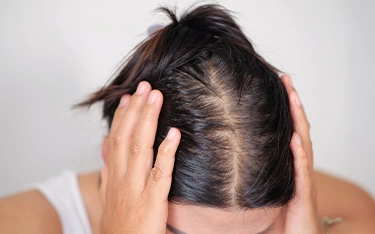
Can Anxiety Cause Hair Loss?
Yes. Chronic stress and anxiety may contribute to certain types of hair shedding.
When the body experiences prolonged stress, the hair growth cycle may become disrupted.
Although anxiety is not always the sole cause of hair loss, it can act as a trigger or contributing factor in susceptible individuals.
This highlights the importance of treating the whole person rather than focusing on isolated symptoms.
When Anxiety Mimics Other Health Conditions
One reason anxiety is often misunderstood is because its symptoms can resemble other medical conditions.
For example:
- Chest pain may resemble heart problems.
- Dizziness may feel neurological.
- Digestive issues may appear gastrointestinal.
- Fatigue may seem nutritional or hormonal.
This does not mean symptoms should be ignored.
Any new or concerning symptoms should always be evaluated by a healthcare professional to rule out underlying medical conditions.
Once physical illnesses have been assessed, anxiety may become an important consideration.
How Dr Batra's UAE Evaluates Anxiety
At Dr Batra's UAE, anxiety is approached through a comprehensive and personalized process.
Step 1: Detailed Consultation
The first consultation generally lasts approximately 30–45 minutes.
During this session, doctors assess:
- Emotional symptoms
- Stress levels
- Lifestyle habits
- Sleep quality
- Family history
- Medical history
- Physical complaints
- Work and personal stressors
The goal is to understand the complete picture rather than focusing on a single symptom.
Step 2: Understanding Triggers
Doctors explore potential anxiety triggers such as:
- Work pressure
- Relationship challenges
- Health concerns
- Academic stress
- Lifestyle factors
- Chronic stress exposure
Step 3: Personalized Homeopathic Treatment
Dr Batra's homeopathic treatment is individualized according to each person's unique symptom pattern, emotional profile, and overall health.
Rather than treating everyone the same way, the treatment plan is tailored to the individual.
Step 4: Lifestyle and Stress Management Guidance
Patients receive recommendations regarding:
- Sleep hygiene
- Stress reduction strategies
- Daily routines
- Relaxation techniques
- Physical activity
- Work-life balance
Step 5: Follow-Up and Progress Monitoring
Regular follow-up appointments help monitor improvement and adjust treatment plans when necessary.
Why Homeopathy Takes a Holistic View of Anxiety
One person with anxiety may experience racing thoughts.
Another may primarily experience digestive symptoms.
Someone else may struggle with headaches, fatigue, and insomnia.
Although the diagnosis may be similar, the experience is highly individual.
Homeopathy recognizes these differences and aims to treat the individual rather than just the label of anxiety.
At Dr Batra's UAE, treatment plans are customized based on the person's unique emotional and physical symptom profile.
When Should You Seek Help?
You should consider consulting a healthcare professional if:
- Physical symptoms persist without explanation.
- Anxiety interferes with daily activities.
- Sleep is consistently affected.
- Symptoms impact work or relationships.
- You frequently experience panic episodes.
- Physical discomfort is becoming increasingly distressing.
Early intervention often leads to better outcomes.
Why Choose Dr Batra's UAE?
Patients across the UAE trust Dr Batra's because of:
- Experienced homeopathic doctors
- Personalized treatment plans
- Holistic approach
- Root-cause evaluation
- Comprehensive consultations
- Long-term support
- Focus on emotional and physical well-being
Dr Batra's understands that anxiety is not just "in your head." It can affect every aspect of daily life—including the body.
Final Thoughts
The physical symptoms of anxiety are real, common, and often misunderstood. Anxiety can affect the heart, muscles, digestive system, nervous system, sleep, and overall well-being.
Understanding anxiety symptoms and recognizing anxiety symptoms in body can help individuals seek appropriate support before symptoms become overwhelming.
At Dr Batra's UAE, anxiety treatment begins with understanding the whole person. Through detailed consultations, personalized homeopathic treatment, and holistic care, patients receive support designed to address both the emotional and physical effects of anxiety.
If unexplained physical symptoms are affecting your quality of life, consulting with an experienced doctor may help uncover whether anxiety is playing a role and guide you toward a personalized path to recovery.
Disclaimer
Homeopathy is a complementary wellness approach and should be taken only under the guidance of qualified and licensed healthcare professionals. The information in this article is for educational purposes only and is not a substitute for medical diagnosis or treatment. Individuals should not stop or change any prescribed medication without consulting their doctor. Results may vary depending on individual health conditions and response to treatment.





 Call Now