Scalp psoriasis is a chronic autoimmune condition that can be physically uncomfortable and emotionally taxing. Treating it is notoriously challenging because your hair coverage acts as a physical barrier, making it difficult to apply creams and ointments directly to the skin.
You might be searching the internet for how to cure scalp psoriasis once and for all. It is important to be candid: there is no permanent cure. However, do not let that discourage you. With a strategic combination of medical treatments, lifestyle adjustments, and natural home remedies, you can dramatically ease your symptoms, achieve long-term relief, and prevent aggressive flare-ups.
This guide will walk you through exactly what this condition is, how to differentiate it from regular dandruff, and the most effective steps to reclaim your scalp health.
What Is Scalp Psoriasis?
At its core, scalp psoriasis is a chronic autoimmune disease. In a healthy body, skin cells grow and shed over a period of weeks. If you have psoriasis, your immune system mistakenly sends faulty signals that cause skin cells to grow up to four times faster than normal. Because these cells multiply too rapidly to shed, they pile up on the surface of your scalp, leading to raised, thick plaques.
It is crucial to clarify that this condition is completely non-contagious. While the exact root scalp psoriasis causes are a mix of genetics and immune function, specific scalp psoriasis risk factors—such as high stress levels, smoking, heavy alcohol consumption, and underlying health conditions can significantly increase your likelihood of developing it.
Scalp Psoriasis vs. Dandruff and Eczema
Flaky skin on the scalp is often misdiagnosed. Understanding the difference between dandruff and psoriasis is key to finding the right treatment.
- Dandruff (Seborrheic Dermatitis): This is typically caused by a yeast overgrowth and excess oil. It presents as greasy, yellowish flakes that easily fall off.
- Eczema: This causes very itchy, red, and inflamed skin with fine, dry scales, often triggered by an external irritant or allergy.
- Scalp Psoriasis: In contrast to scalp psoriasis vs dandruff or scalp psoriasis vs eczema, psoriasis produces sharply defined, thick, red (or purplish on darker skin tones) plaques covered with distinct silvery scales.
Signs and Symptoms of Scalp Psoriasis
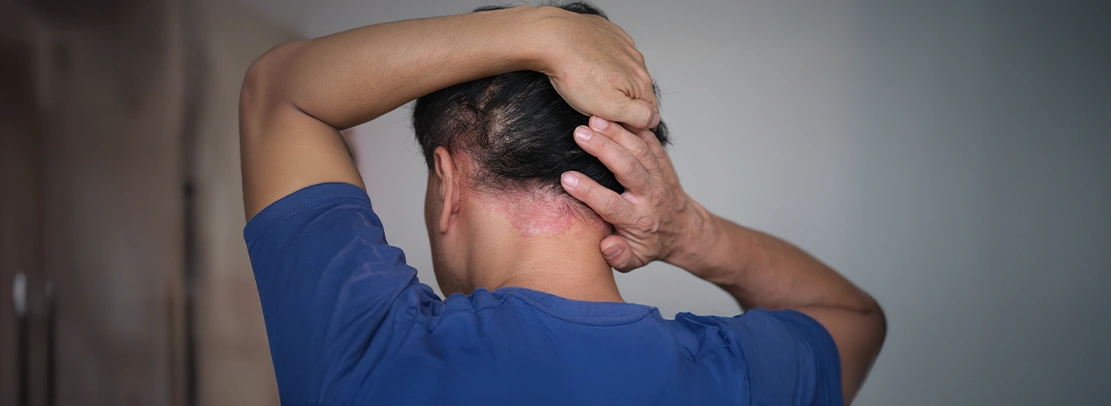
The scalp psoriasis symptoms can range from mild, barely noticeable flaking to severe, crusted sores covering the entire scalp, forehead, and back of the neck.
Common signs include an intensely itchy scalp, a painfully dry scalp with scales, cracking, and bleeding. The plaques themselves are thick and raised (silvery plaques).
One of the most distressing side effects is hair loss from scalp psoriasis. The disease itself does not stop hair growth, but persistent, aggressive scratching and the harsh removal of thick scales can severely damage hair follicles, leading to temporary hair loss. Once you learn how to get rid of scalp psoriasis naturally and medically, the inflammation subsides, and your hair will typically regrow.
Causes and Common Triggers
To fight the condition, you must understand the causes of scalp psoriasis. It stems fundamentally from an overactive immune response combined with genetic factors. If your parents have psoriasis, your risk is significantly higher.
However, you might have the genetics for it but never experience a breakout until an external factor triggers it. Common scalp psoriasis triggers include:
- Skin trauma (like scratching or tight hairstyles)
- Sunburn
- Certain medications (like beta-blockers or lithium)
- Infections (like strep throat)
- Stress and scalp psoriasis are heavily linked; high cortisol drives inflammation.
- Alcohol and psoriasis also have a volatile relationship, as alcohol dehydrates the skin and can interfere with medications.
- Smoking and obesity.
How to Cure Scalp Psoriasis: Is a Permanent Cure Possible?
When patients ask a dermatologist how to cure scalp psoriasis, the candid answer is that a permanent cure for scalp psoriasis does not currently exist.
Because it is a chronic autoimmune condition, it will likely be a part of your life forever. However, "incurable" does not mean "unmanageable." Modern scalp psoriasis treatment options are incredibly advanced. The goal of treatment is to gain control over the symptoms, quickly resolve flare-ups, and maintain long-term management and extended periods of remission. Because the body's response to medication can diminish over time, you will likely need to rotate treatments periodically.
Medical Treatments for Long‑Term Relief
Topical Treatments and Medicated Shampoos
The first line of defense usually involves topical treatments for scalp psoriasis. These include both over-the-counter and prescription creams containing hydrocortisone, vitamin D analogues (which slow skin cell growth), and vitamin A derivatives.
Medicated shampoos for scalp psoriasis are also foundational. A coal tar shampoo or salicylic acid shampoo works to soften and remove thick scales while relieving the itch. Other effective active ingredients include pyrithione zinc, selenium sulfide, and aloe vera.
Because of your hair, choosing the right formulation (like a foam, oil, or liquid solution) is vital so it actually reaches your scalp. Caution: Do not overuse these products, as harsh chemicals can cause hair breakage or skin thinning over time.
Prescription Medications: Topical, Oral and Injected
For moderate to severe cases, a doctor will prescribe stronger prescription medications for scalp psoriasis.
- Topical Steroids: Corticosteroids like betamethasone, clobetasol, and fluocinolone are fast-acting topical steroids for psoriasis used to quickly reduce inflammation.
- Non-Steroidal Agents: Medications like calcipotriene, calcitriol, and tazarotene can be used to slow cell growth with fewer long-term side effects than steroids.
- Oral Medications & Biologics: If topicals fail, systemic treatments are required. These include oral medications like methotrexate and cyclosporine, which suppress the immune system. For severe, stubborn cases, advanced biologics (injected medications like risankizumab, secukinumab, and adalimumab) target specific parts of the immune system. These require strict medical supervision due to an increased risk of infection.
Phototherapy and Light‑Based Treatments
If your scalp doesn't respond to creams, phototherapy for scalp psoriasis is highly effective. Using controlled light therapy—specifically, narrow-band UVB treatment or targeted laser therapy for psoriasis—can dramatically reduce inflammation and slow rapid cell growth.
These sessions typically occur three times per week for six to eight weeks. Because it carries potential side effects like sunburn-like reactions or long-term skin aging, it must strictly be a dermatologist-guided phototherapy regimen.
Natural and Home Remedies: How to Get Rid of Scalp Psoriasis at Home
Always consult your doctor before trying alternative treatments, but several safe natural remedies for scalp psoriasis can provide immense comfort.
If you want to know how to get rid of scalp psoriasis at home, focus on moisture and gentle exfoliation:
- Aloe vera for psoriasis: Pure aloe gel reduces redness and intense itching.
- Coconut oil for scalp psoriasis or olive oil: Massaging these into the scalp helps soften heavy plaques for easier removal.
- Baking soda for itchy scalp: A gentle paste of baking soda and water can exfoliate plaques and relieve the burn.
- Apple Cider Vinegar: Diluted ACV applied to the scalp can soothe the itch (avoid if your scalp is cracked or bleeding).
- Tea tree oil shampoo and turmeric supplements (curcumin) offer natural antibacterial and anti-inflammatory properties.
Note: These home remedies do not cure the underlying immune issue; they simply provide symptomatic relief.
Lifestyle and Diet Tips for Flare‑Up Prevention
Your immune system is directly influenced by how you treat your body. Adopting a specific diet for scalp psoriasis can drastically reduce internal inflammation.
Focus on anti-inflammatory foods like oily fish (mackerel, salmon, sardines), leafy greens (spinach, kale), and healthy fats like olive oil. Conversely, be mindful of foods to avoid for psoriasis, which may include dairy, citrus fruits, gluten, and nightshade vegetables (like tomatoes and eggplants), as these are common inflammatory triggers.
Broader lifestyle changes are just as critical. Focus on weight management, quit smoking entirely, and limit alcohol intake. Finally, prioritize stress management for psoriasis. Techniques like cognitive behavioral therapy (CBT), meditation, and guided imagery can lower cortisol levels, directly preventing stress-induced flare-ups.
Hair and Scalp Care Tips
Proper hair care for scalp psoriasis prevents you from accidentally worsening your symptoms.
- Bathe or shower in lukewarm water never scalding hot—for no more than 15 minutes.
- Apply a moisturizer or emollient immediately after washing to lock in hydration.
- Always use a conditioner for psoriasis-prone hair to keep strands hydrated, and comb very gently to avoid scraping the scalp.
- Avoid wearing tight hats unless necessary, allowing your scalp to breathe.
- Strictly avoid scratching, avoiding harsh shampoos, heavy hair dyes, and alcohol-based styling sprays, which will instantly trigger a burning flare-up.
Managing Flares and Maintaining Remission
The secret to long-term psoriasis management is adherence. You must stick to your prescribed scalp psoriasis treatment plans even when your plaques start to improve.
Flare-ups will likely come and go throughout your life, but consistent, daily managing scalp psoriasis flare-ups reduces their severity. Keep a daily symptom diary to identify your personal triggers (whether it's a specific food, high stress, or cold weather) and work with your healthcare provider to adjust your treatments accordingly.
Remember, maintaining remission can take several weeks of dedicated treatment. Patience, consistency, and regular dermatologist follow-up appointments are essential.







 Call Now