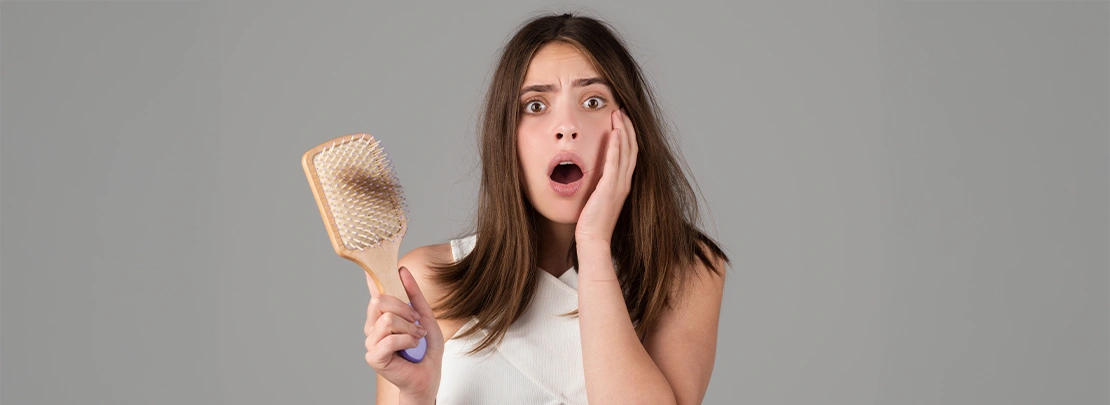
Hair fall is a normal part of the hair-growth cycle, but when shedding noticeably increases, the parting becomes wider or overall density reduces, it may indicate an underlying hair-loss concern.
The causes of hair fall vary widely, from stress, nutritional deficiencies and hormonal changes to genetics and scalp conditions. This is why trying different shampoos, oils or hair fall remedies without understanding the cause may provide limited results.
The right approach begins with identifying the pattern of hair fall and the factors contributing to it.
Hair Fall vs Hair Loss: What the Difference Means for Treatment
The terms "hair fall" and "hair loss" are often used interchangeably, but they can describe different experiences.
Hair fall commonly refers to increased shedding, which may be temporary when triggered by stress, illness, nutritional changes or other disruptions to the hair cycle.
Hair loss is broader and may involve progressive thinning, reduced density, receding areas or patches where hair growth is affected.
This distinction matters because temporary shedding may improve once its trigger is addressed, while progressive forms of hair loss often benefit from earlier and ongoing management.
The appropriate hair loss treatment therefore depends on the cause, pattern and stage of the condition.
Not sure whether it's temporary shedding or progressive hair loss? Meet a Senior Consultant at Dr Batra's UAE to find out.
How Much Hair Fall Is Normal and How to Test Your Own Shedding
Some daily shedding is normal. Losing around 50 to 100 hairs a day can occur as part of the natural hair cycle.
Instead of counting every strand, pay attention to changes from your usual pattern:
- more hair than usual while washing or brushing;
- a thinner-feeling ponytail;
- widening of the centre part;
- increased scalp visibility;
- receding areas;
- visible patches of hair loss.
A study on the 60-second hair count evaluated a simple method for monitoring shedding in healthy men and found that repeated counts could provide a practical way to track changes over time.
However, there is no single daily number that diagnoses hair loss for everyone. A consistent increase from your own normal shedding pattern is usually more useful than worrying about one heavy hair-wash day. Are you noticing a change in your pattern? Take an AI Scalp Evaluation at Dr Batra's to check your hair and scalp in minutes.
Causes of Hair Fall: Hormonal, Nutritional, Medical and Genetic
Understanding the causes of hair fall is essential because very different conditions can produce similar-looking shedding.
Hormonal factors
Pregnancy, childbirth, menopause, thyroid-related changes and other hormonal disturbances can affect the hair-growth cycle. In some people, hormonal sensitivity can also contribute to progressive pattern thinning.
Nutritional factors
Hair follicles require adequate nutrition to maintain normal growth.
A scientific review on vitamins, minerals and hair loss found that certain micronutrient deficiencies may represent modifiable factors in some types of non-scarring hair loss. The review also highlighted that evidence does not support taking supplements indiscriminately without identifying a deficiency.
Medical factors
Illness, significant physical stress, autoimmune conditions and scalp disorders can all contribute to hair shedding.
Genetics
Hereditary pattern hair loss is one of the most common causes of progressive thinning and can affect both men and women.
Finding the underlying factor is therefore more useful than treating all hair fall as the same problem.
Reasons for Hair Fall and Hair Thinning That Most People Overlook
Some reasons for hair fall and hair thinning are easy to miss because shedding may begin weeks or months after the original trigger.
These can include:
- prolonged stress;
- rapid weight loss or restrictive dieting;
- recovery after significant illness;
- major lifestyle changes;
- inadequate protein or nutritional deficiencies;
- repeated tight hairstyles;
- frequent heat or chemical damage;
- scalp inflammation;
- poor hair-handling habits.
Living in the UAE can also place additional stress on the hair and scalp. Heat, sweating, strong sun exposure, frequent air conditioning and repeated styling may contribute to dryness, breakage or scalp discomfort.
These environmental factors do not explain every case of hair loss, but they are worth considering as part of an individual's overall hair-care routine.Are you Not sure which of these applies to you? Take an AI Scalp Evaluation or a Doctor consultation at Dr Batra's UAE .
Types of Hair Loss and How Each One Behaves
Identifying the type of hair loss helps determine whether shedding is likely to be temporary, progressive or require more detailed assessment.
| Type | How It Commonly Behaves |
|---|
| Pattern hair loss | Gradual reduction in density following a recognisable male or female pattern |
| Telogen shedding | Diffuse increase in hair fall, often after physical or emotional stress |
| Patchy hair loss | Distinct areas where hair suddenly becomes sparse or absent |
| Traction-related hair loss | Thinning in areas repeatedly exposed to pulling or tight hairstyles |
| Scarring hair loss | Follicle damage associated with inflammation and potentially permanent loss |
The pattern matters. Sudden patches, rapidly progressing thinning or scalp inflammation should be assessed professionally rather than managed only with home remedies.
Hair Fall in Men vs Women: Different Patterns, Different Causes
Men and women can experience many of the same hair-loss conditions, but hereditary thinning often appears differently.
Men may notice:
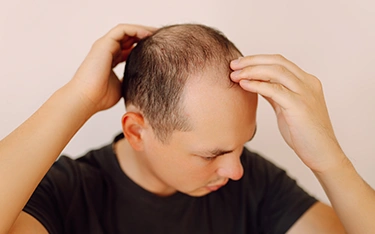
- a receding hairline;
- thinning around the temples;
- reduced density at the crown.
Women more commonly notice:
- widening of the centre part;
- reduced density over the top of the scalp;
- a smaller ponytail;
- greater scalp visibility.
A clinical review of female pattern hair loss highlighted the importance of early diagnosis, noting that preventing progression can be more achievable than trying to restore density after significant follicle miniaturisation has occurred.
For women, hormonal, nutritional and thyroid-related factors may also need consideration depending on their individual symptoms and medical history.Whether it's a receding hairline or a widening part, meet a Senior Consultant at Dr Batra's UAE to identify the cause early
How Can I Stop Hair Fall Instantly: What Is and Is Not Possible
If you are searching how can I stop hair fall instantly, it is important to understand that hair shedding is controlled by the biological hair-growth cycle.
Hair that has already entered its shedding phase cannot usually be stopped overnight.
What you can do immediately is:
- avoid harsh brushing and pulling;
- stop very tight hairstyles;
- reduce unnecessary heat or chemical damage;
- maintain gentle scalp care;
- avoid restrictive dieting;
- seek professional assessment if shedding is significant.
The sooner the underlying reason is identified, the sooner an appropriate management plan can begin.
Homeopathic Dandruff Treatment at Dr Batra's UAE
At Dr Batra's UAE, dandruff treatment is personalised to each patient using homeopathy, AI-powered hair and scalp analysis, and a detailed 30–40 minute consultation. The approach focuses not only on relieving itching and flaking, but also on addressing underlying physical, emotional and lifestyle factors that may contribute to recurrence. Based on the assessment, doctors recommend an individualised homeopathic treatment plan along with diet and lifestyle guidance to support long-term scalp health. For patients experiencing hair fall as well, advanced hair treatments can be combined with homeopathy to manage hair loss while supporting overall internal health.
Advance Hair Treatments that help reduce hairfall
HairGain:;
Dr Batra's® HairGain is an advanced hair regrowth treatment powered , a potent formula with copper tripeptide, growth factors, polypeptides, and essential amino acids. Newly launched in the UAE, HairGain penetrates up to the 3rd layer of the scalp to regenerate damaged follicles, delay follicle ageing, and nourish hair from the root
GroHair:
Hair thinning and hair fall occur due to weak follicles, poor scalp circulation, and nutritional imbalance. At Dr Batra's®, groHair treatment addresses these root causes using advanced, non-surgical technology, helping strengthen follicles, improve scalp circulation, and support natural hair regrowth over time.
Oxy HVT:
Next Gen medically approved treatment to reduce hair loss and increase terminal hair density in both males and females in just 10 weeks.
Hair Fall Remedies at Home: What Helps and What Wastes Your Time
Useful hair fall remedies at home are mainly about protecting the hair and supporting overall health.
Helpful habits include:
- eating a balanced diet with adequate protein;
- avoiding crash diets;
- treating wet hair gently;
- limiting excessive heat styling;
- avoiding very tight hairstyles;
- maintaining good scalp hygiene;
- managing prolonged stress;
- seeking assessment when shedding continues.
What usually wastes time is repeatedly switching between oils, shampoos and supplements without understanding the underlying cause.
Hair products can improve cleanliness, manageability or breakage, but they cannot correct every genetic, hormonal, nutritional or medical reason for hair fall.
Similarly, supplements should not automatically be considered the answer unless there is a relevant nutritional need. Tried products and remedies without results? Take an AI Scalp Evaluation at Dr Batra's or Meet a Senior Doctor at Dr Batra's.
Is There a Permanent Cure for Hair Fall?
There is no single cure for hair fall that permanently resolves every type of hair loss.
Some temporary forms of shedding may improve considerably after the trigger is corrected. Progressive or hereditary forms of hair loss may require longer-term management.
The condition of the follicles also matters. Earlier assessment can provide more options because it is generally easier to support follicles that are still active than to address advanced follicle loss.
For this reason, claims that one product or remedy can permanently cure every form of hair fall should be treated cautiously.
The more practical goal is to identify the cause early, reduce avoidable triggers and develop an appropriate treatment plan.
Meet a Senior Consultant at Dr Batra's UAE to identify the cause of your hair fall and build a personalised treatment plan
Disclaimer: This article is for informational purposes only and is not a substitute for professional medical advice, diagnosis or treatment. Treatment outcomes vary between individuals. Please consult a qualified healthcare professional or Dr Batra’s doctor for personalised guidance.





 Call Now