

Vitiligo Treatment in Dubai & Abu Dhabi
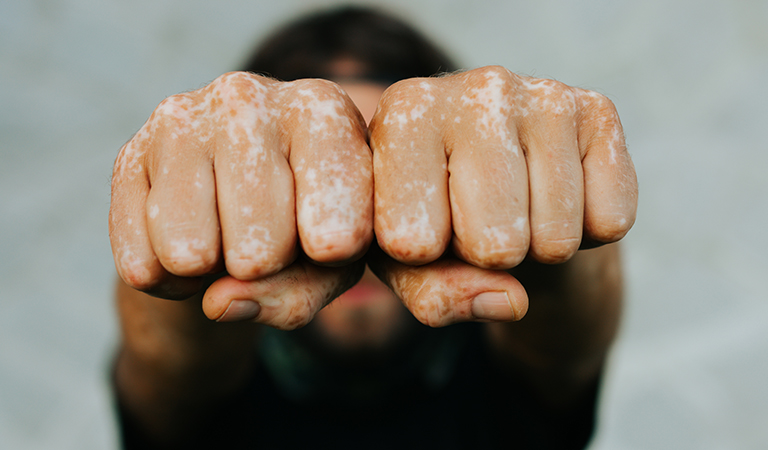
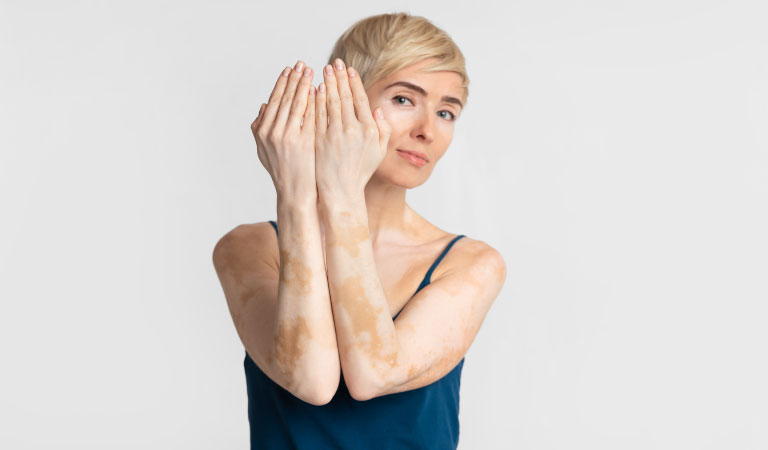
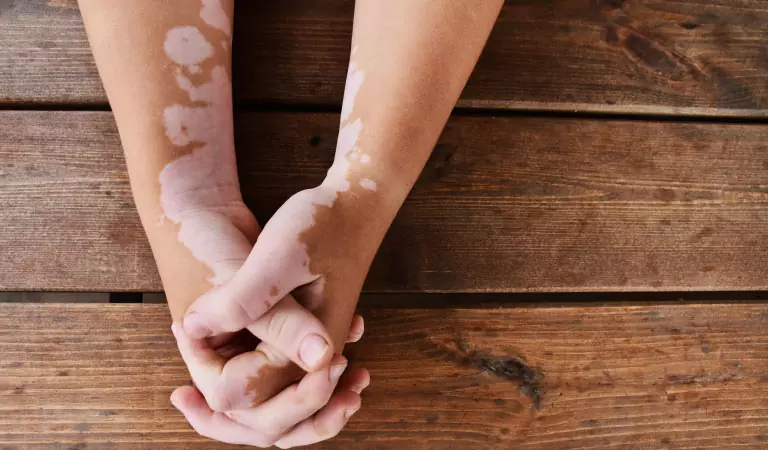
White patches on the skin can feel overwhelming. If you are seeking vitiligo treatment in Dubai, early care matters. Vitiligo is an autoimmune skin condition where melanocytes stop producing melanin, causing clearly defined white patches. It is not contagious, but it can affect self-esteem and quality of life.
Understanding vitiligo causes and symptoms helps guide timely treatment. Common signs include white patches on the skin, loss of hair pigment, and depigmented areas on the face, hands, mouth, and genitals, often before age 30. Vitiligo in children and links with thyroid disorders are also seen.
At Dr Batra’s UAE, we provide natural vitiligo treatment in Dubai, combining personalised homeopathic care with advanced phototherapy to support vitiligo repigmentation in Dubai & Abu Dhabi safely. Our approach focuses on immune balance, structured care, and long-term pigment restoration through customised steroid-free plans.
Manage Vitiligo Naturally with Specialist Care in Dubai
Vitiligo treatment at Dr. Batra’s® centers in Dubai focuses on a holistic management plan that stabilizes patch spread and promotes repigmentation. Although there is no permanent cure for vitiligo, our structured treatment program combines natural homeopathic remedies with advanced technologies like Narrowband UVB phototherapy and Excimer laser for targeted areas. Our approach includes chemical-free homeopathic medicines, nutritional and immune-support guidance, as well as counseling to support emotional well-being. By addressing the autoimmune imbalance without harsh chemicals, and with consistent follow-ups, results can improve gradually. Conventional options such as topical medications, depigmentation therapy, skin grafting, and camouflage techniques may also be considered when appropriate. With over 40 years of experience, we provide comprehensive, steroid-free care to help manage vitiligo effectively.
Homeopathic Vitiligo Treatment vs Other Options
| Basis | Homeopathic Approach | Conventional Approach |
|---|---|---|
| Focus | Targets immune imbalance and internal triggers with personalised remedies | Focuses on managing depigmentation using corticosteroids, vitamin D creams, and phototherapy |
| Relief Pattern | Gradual improvement aimed at stable repigmentation with structured follow-ups | Often faster visible response but may require repeated treatment sessions |
| Side Effects | Steroid-free treatment generally suitable for long-term use | Long-term steroid use may cause skin thinning or uneven pigmentation |
| Long-Term Control | Focuses on sustained pigment restoration with personalised care | May require ongoing medication or repeated phototherapy cycles |
| Diagnosis & Monitoring | Detailed case evaluation and digital skin analysis | Clinical examination, Wood’s lamp assessment, and lab tests |
| Treatment Strategy | Combines homeopathy with lifestyle guidance | Medication- or procedure-based treatment |
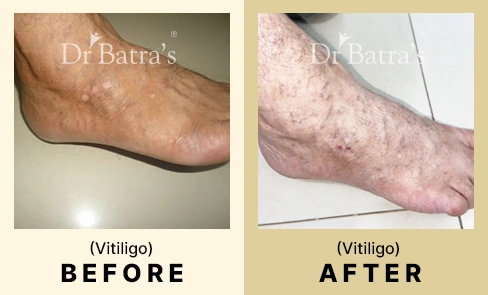
Real Peaople, Real Results
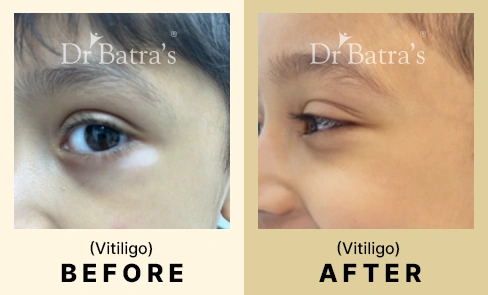
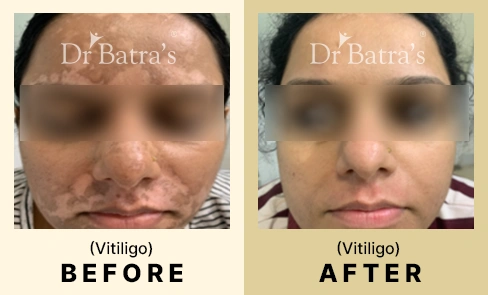
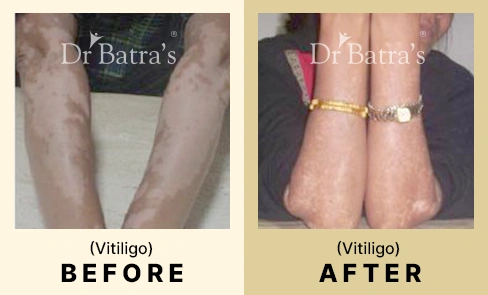
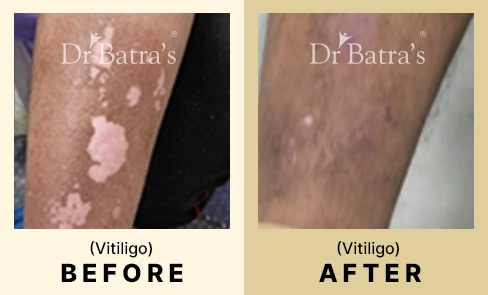
Book an Appointment with our experts now
Take the First Step Towards Healthier Skin with a Skin Doctor Consultation in Dubai and Abu Dhabi!
Why Choose Dr Batra’s Homeopathy for Vitiligo Treatment
- 40+ Years of Medical Expertise
With over four decades of clinical experience, 200+ clinics worldwide, and more than 1.5 million patients treated, Dr Batra’s UAE delivers trusted care for vitiligo treatment in Dubai. - DHA Approved Specialists
Our DHA licensed doctors follow regulated medical standards to provide safe and structured treatment for vitiligo patients in the UAE. - Natural Steroid Free Treatment
Our approach focuses on natural homeopathic treatment plans designed to support immune balance and long-term pigment restoration. - Advanced Diagnostics
We use modern diagnostic tools including Wood’s lamp examination to accurately assess pigment loss and track improvement. - Emotional Counselling Support
Vitiligo may affect confidence and mental wellbeing. Our clinics provide counselling support along with medical care.
Our Vitiligo Treatment Process
The Vitiligo treatment timeline typically starts with itch control in the first few weeks, followed by a reduction in flare frequency over the subsequent months. We believe in a transparent Vitiligo treatment process:
01

Detailed consultation
02
Wood’s lamp diagnosis to assess pigment loss
03
Personalised vitiligo treatment plan
04
Homeopathic medicines combined with phototherapy
05
Continuous monitoring and lifestyle guidance
Meet Our Vitiligo Specialists

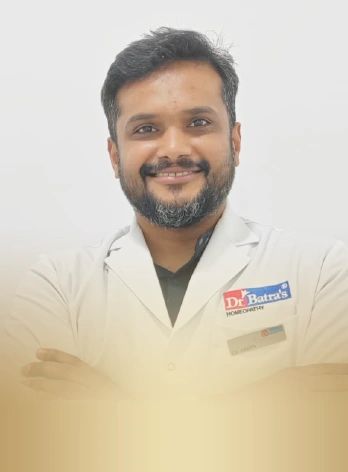

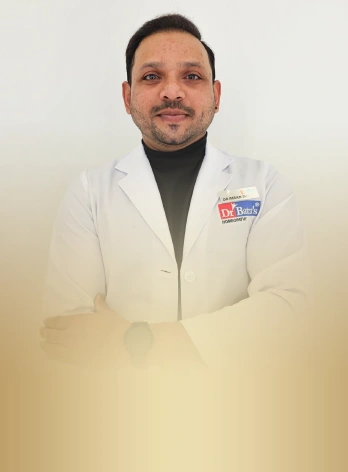
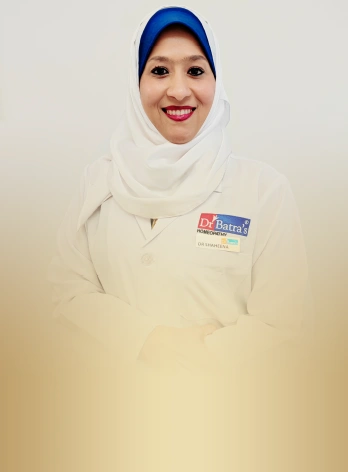
Meet Our Skin Doctor Today for Senior Consultation
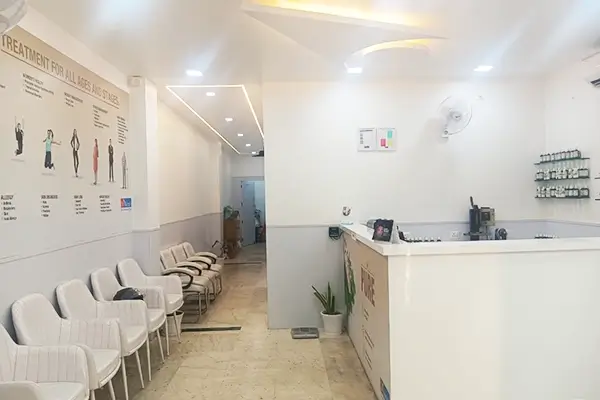
Our Clinics in Dubai & Abu Dhabi
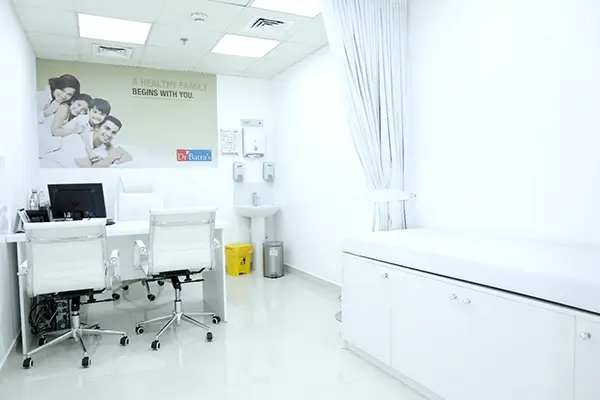
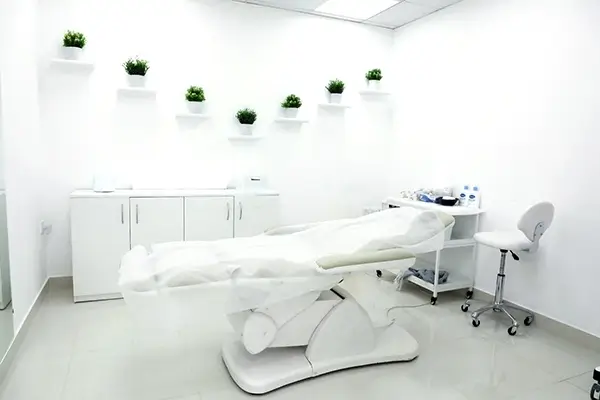
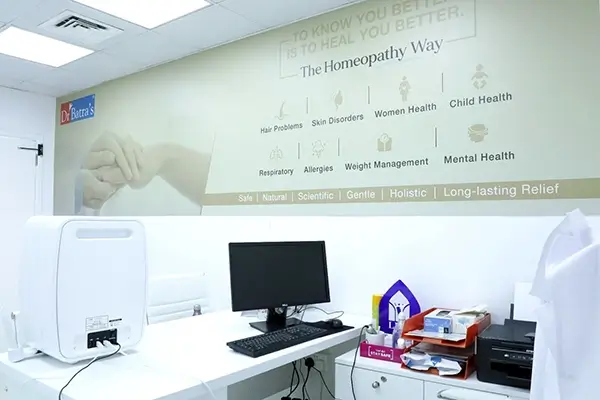
We provide vitiligo treatment across multiple locations:

Patient Testimonials
Real stories, real results. Hear from our patients who have experienced relief from Vitiligo through our homeopathic treatments.
Complete Guide to Vitiligo Treatment
What is Vitiligo?
Vitiligo is a skin condition characterized by the loss of pigmentation, leading to white patches on the skin. It occurs when the body's immune system mistakenly attacks and destroys the pigment-producing cells, known as melanocytes. While the exact cause is not fully understood, it is believed to be influenced by a combination of genetic factors and immune system irregularities.
Common Causes and Triggers
Vitiligo can be triggered or worsened by various factors, including:

Stress
Emotional stress can lead to or exacerbate the development of vitiligo patches.

Autoimmune Conditions
Other autoimmune diseases, such as thyroid disorders, can increase the risk of developing vitiligo.

Skin Injury
Cuts, scrapes, or sunburns may trigger the loss of pigmentation in the affected areas.

Genetics
A family history of vitiligo or other autoimmune conditions can increase the likelihood of developing the condition.

Environmental Factors
Exposure to certain chemicals or pollutants may contribute to the onset of vitiligo.
Symptoms of Vitiligo
Vitiligo symptoms include:
- White patches on face and hands
- Premature greying of hair
- Pigment loss on lips or eyelids
- Sun sensitivity
Types of Vitiligo
There are several types of vitiligo, including:
The most common type, characterized by depigmented patches spread across different areas of the body.
Depigmented patches that are confined to one or a few areas of the body.
Patches of depigmentation that appear on one side of the body, often in a specific pattern.
Loss of pigmentation affecting the mucous membranes, such as inside the mouth or nose.
How Homeopathy Helps Manage Vitiligo Treatment
Homeopathy focuses on correcting internal immune imbalance linked to pigment loss. Personalised remedies aim to support melanocyte recovery and encourage gradual pigment production.
Treatment Timeline (What to Expect)
While every patient’s Vitiligo treatment timeline is unique, a general roadmap includes:
4-8
Weeks
Reduction in the appearance of depigmented patches and initial signs of repigmentation.
3-6
Months
Gradual improvement in skin tone with increased pigment return in affected areas.
6-12
Months
Noticeable repigmentation, with the skin tone becoming more even and stable.
Long-Term Maintenance
Continued monitoring and management to maintain skin color and prevent further patches from appearing.
Meet a Skin Specialist Today for Expert Vitiligo Care
Lifestyle & Skincare Tips for Vitiligo in Dubai & Abu Dhabi
Managing Vitiligo in a desert climate requires specific habits:
- Moisturize daily with fragrance-free, hydrating lotions to keep the skin soft and healthy.
- Avoid hot showers and long exposure to water, as they can dry out the skin.
- Use high SPF sunscreen to protect sensitive skin from sunburn and UV damage.
- Wear loose, breathable clothing to avoid friction and irritation on the skin.
- Practice stress-management techniques such as yoga or meditation to support overall well-being and minimize triggers.
When to See a Doctor for Vitiligo
Consult a specialist if:
- White patches spread rapidly
- Emotional distress increases
- Skin becomes sensitive to sunlight
Conclusion - Start Your Vitiligo Treatment Journey Today
Vitiligo is manageable. Early diagnosis and personalised care improve the chances of stabilising patch spread and encouraging pigment restoration. Book your consultation with Dr Batra’s UAE and begin your journey toward healthier skin and renewed confidence.
FAQs
Is vitiligo contagious or life-threatening?
No. Vitiligo is neither contagious nor infectious, so it cannot spread through touch, sharing clothes, or close contact. It is also not life-threatening. However, visible white patches on the skin may impact confidence and emotional well-being, making timely counselling and medical guidance important.
Can vitiligo be cured permanently?
There is currently no guaranteed permanent cure for vitiligo. However, early diagnosis and structured treatment can help stabilise the condition, reduce the spread of new patches, and support gradual repigmentation. Long-term follow-ups play an important role in maintaining consistent and stable results.
How long does vitiligo treatment take to show results?
Response timelines vary depending on the type, duration, and extent of depigmentation. Initial stabilisation may begin within a few months. Visible repigmentation commonly takes six to twelve months, with gradual improvement observed through regular monitoring and personalised treatment adjustments.
Is homeopathy effective for vitiligo?
Homeopathy focuses on addressing immune imbalance and internal triggers linked to pigment loss. It aims to stimulate the body’s natural healing response and melanocyte activity over time. While outcomes vary individually, many patients choose it for long-term, steroid-free vitiligo management.
What are the side effects of phototherapy or laser treatment?
Phototherapy and laser treatments may cause temporary redness, mild irritation, or dryness in treated areas. In some cases, prolonged sessions can increase sensitivity. Proper medical supervision, controlled exposure, and skin monitoring significantly reduce risks and improve overall treatment safety.
Will my natural skin colour return after treatment?
Many patients experience gradual pigment restoration in affected areas, particularly when treatment begins early. The degree of repigmentation depends on factors such as the type of vitiligo, duration, body area involved, and individual response. Consistent follow-up improves the chances of stable colour recovery.
How is vitiligo diagnosed?
Vitiligo is primarily diagnosed through clinical examination of depigmented patches. A Wood’s lamp assessment may be used to highlight pigment loss more clearly. In some cases, blood tests are advised to evaluate associated autoimmune conditions or underlying health imbalances.
What lifestyle changes help manage vitiligo?
Sun protection is essential to prevent contrast between normal and depigmented skin. Stress management, balanced nutrition, and adequate sleep may support immune stability. Avoiding skin trauma and using gentle skincare products can also help reduce potential triggers for new patch development.
Is vitiligo treatment covered by insurance in the UAE?
Insurance coverage varies depending on the provider, policy terms, and whether the treatment is considered medical or cosmetic. Some plans may partially cover consultations or diagnostic tests. Patients are advised to confirm eligibility and benefits directly with their insurance company.
Do you offer online consultations for Vitiligo treatment?
Currently, we do not offer online consultations for Vitiligo treatment. However, you can visit any of our conveniently located clinics in Dubai and Abu Dhabi for an in-person consultation with our specialists.
Patient Results




 Call Now