Introduction
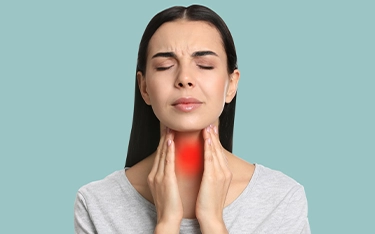
The thyroid gland may be small, but its influence on a woman’s body is extensive. It affects metabolism, energy, mood, weight regulation, skin, hair, digestion, fertility, menstrual rhythm, and overall hormonal balance. When thyroid function slows down, the impact is rarely limited to tiredness or weight gain. It can disturb the entire hormonal network.
Hypothyroidism in women is especially important because women are more likely than men to develop thyroid imbalance, particularly during life stages involving hormonal transitions such as puberty, reproductive years, pregnancy, postpartum, perimenopause, and menopause.
Many cases begin subtly. Fatigue becomes “normal.” Weight gain is blamed on lifestyle. Hair fall is treated cosmetically. Irregular periods are dismissed as stress. Mood changes are labelled emotional. But when these symptoms appear together, they may point toward a deeper endocrine imbalance.
Understanding thyroid problems in women requires looking at the thyroid as part of a larger hormonal system. The thyroid does not work in isolation. It communicates constantly with the brain, ovaries, adrenal system, metabolism, and reproductive hormones.
At Dr Batra’s, thyroid-related wellness is approached holistically. Homeopathy considers the individual’s physical symptoms, emotional patterns, stress response, family history, menstrual health, metabolic tendencies, and long-term constitution. When prescribed by qualified practitioners, homeopathy is considered gentle, individualised, natural, and suitable for supportive care across age groups.
What is hypothyroidism?
Hypothyroidism is a condition in which the thyroid gland does not produce enough thyroid hormones to meet the body’s needs. These hormones help regulate metabolism, body temperature, energy production, digestion, heart rhythm, menstrual function, mood, and cellular activity.
When thyroid hormone levels are low, the body’s systems slow down. This slowing can affect almost every organ system.
Common changes may include:
- Fatigue
- Weight gain or difficulty losing weight
- Cold sensitivity
- Constipation
- Dry skin
- Hair thinning
- Low mood
- Brain fog
- Heavy or irregular periods
- Puffiness
- Muscle aches
- Low motivation
- Slow heart rate
- Reduced fertility
Because the symptoms can be gradual, hypothyroidism symptoms in women are often overlooked until they begin affecting daily life.
Why hypothyroidism affects women differently
Women experience more hormonal fluctuations across life than men. The thyroid interacts closely with reproductive hormones, particularly oestrogen and progesterone. When thyroid function slows, these hormonal rhythms can become disrupted.
This is why hypothyroidism in women may appear differently depending on age and life stage.
During reproductive years
Low thyroid function may affect ovulation, cycle regularity, bleeding patterns, energy, mood, weight, and fertility.
During pregnancy
Thyroid hormones are important for maternal health and fetal development. Untreated or poorly controlled hypothyroidism during pregnancy requires medical attention and monitoring.
After childbirth
Postpartum hormonal shifts can unmask thyroid imbalance, especially when fatigue, hair fall, mood changes, and weight changes persist beyond the expected recovery period.
During perimenopause and menopause
Symptoms of thyroid imbalance may overlap with menopausal symptoms, making diagnosis more complex. Fatigue, weight gain, mood changes, sleep disruption, hair thinning, and irregular cycles may be wrongly attributed only to age.
The thyroid and hormonal network
The endocrine system works like a communication network. The thyroid, ovaries, adrenal glands, pituitary gland, and hypothalamus all influence one another.
When thyroid hormones are low, the body may respond by increasing thyroid-stimulating hormone. This shift can affect reproductive hormones, ovulation, menstrual cycle regularity, and metabolic balance.
This is why hormonal imbalance often appears alongside thyroid concerns.
A woman with hypothyroidism may experience:
- Irregular periods
- Heavy bleeding
- Delayed periods
- Worsening PMS
- Low libido
- Fertility challenges
- Mood instability
- Fluid retention
- Weight gain
- Breast tenderness
- Hair fall
- Skin dryness
This does not mean every hormonal symptom is caused by the thyroid. However, thyroid function should be assessed when multiple symptoms appear together.
Hypothyroidism symptoms in women
The most common hypothyroidism symptoms in women can be grouped by body system.
1. Energy and metabolism symptoms
Low thyroid function slows metabolic activity. This may cause:
- Persistent fatigue
- Sluggishness
- Weight gain
- Difficulty losing weight
- Cold intolerance
- Low stamina
- Slow recovery after exertion
Women may feel tired even after sleeping. Exercise may feel harder than usual. Weight may increase despite no major diet change.
2. Skin, hair, and nail symptoms
The thyroid influences skin turnover, hair follicle activity, and tissue hydration.
Possible symptoms include:
- Dry skin
- Rough skin texture
- Hair thinning
- Hair fall
- Brittle nails
- Puffy face
- Dry scalp
- Slow wound healing
Hair fall can become especially distressing because it may be mistaken for only a cosmetic issue when it may reflect internal hormonal change.
3. Mood and cognitive symptoms
Thyroid hormones influence brain function and emotional regulation.
Symptoms may include:
- Low mood
- Brain fog
- Poor concentration
- Memory issues
- Irritability
- Reduced motivation
- Anxiety-like feelings
- Emotional heaviness
These symptoms are sometimes dismissed as stress, but persistent mood and cognitive changes deserve proper evaluation.
4. Digestive symptoms
Slowed metabolism can also affect digestion.
Symptoms may include:
- Constipation
- Bloating
- Slow digestion
- Reduced appetite in some cases
- Fluid retention
Gut health and thyroid function can influence one another through nutrition, absorption, inflammation, and immune balance.
5. Menstrual and reproductive symptoms
This is where the thyroid–hormonal health connection becomes especially important.
Hypothyroidism symptoms in females may include:
- Heavy periods
- Longer periods
- Irregular cycles
- Delayed periods
- Anovulation
- Worsening cramps
- PMS changes
- Difficulty conceiving
- Pregnancy-related thyroid concerns
If cycles change suddenly or become consistently abnormal, thyroid function should be considered as part of the investigation.
Does thyroid affect periods?
Yes, thyroid function can influence menstrual rhythm. The thyroid helps regulate metabolism and interacts with reproductive hormones involved in ovulation and cycle timing.
When thyroid function is low, periods may become:
- Heavier
- Longer
- More painful
- Irregular
- Delayed
- Less predictable
In some women, periods may stop for months. In others, bleeding may become heavier and more frequent.
The phrase thyroid affect periods may sound simple, but the biological relationship is complex. Thyroid hormones influence ovulation, sex hormone metabolism, prolactin balance, and the communication between the brain and ovaries.
Because of this, menstrual changes should not be ignored, especially when accompanied by fatigue, weight changes, hair fall, constipation, mood changes, or cold sensitivity.
Hormonal imbalance and hypothyroidism
Hormonal imbalance is a broad term, but in women it often refers to disruption in thyroid hormones, reproductive hormones, stress hormones, insulin regulation, or prolactin levels.
Hypothyroidism may contribute to hormonal imbalance through:
- Slower metabolism
- Altered ovulation
- Changes in menstrual bleeding
- Weight gain
- Insulin resistance tendencies
- Mood changes
- Increased fatigue
- Reduced reproductive rhythm
At the same time, other hormonal conditions can exist alongside thyroid dysfunction. These may include PCOS, perimenopausal transition, postpartum hormonal shifts, insulin resistance, or stress-related endocrine changes.
This is why symptoms should be evaluated comprehensively rather than treated in isolation.
Why hypothyroidism is often missed
Hypothyroidism can be missed because symptoms are gradual and nonspecific.
A woman may hear:
- “You are just stressed.”
- “It is because of age.”
- “It is normal after pregnancy.”
- “You need to sleep more.”
- “It is only weight gain.”
- “It is just hair fall.”
While lifestyle factors matter, persistent symptoms need proper assessment.
Hypothyroidism may be overlooked when symptoms are mild, intermittent, or attributed to stress. This is why blood tests and clinical evaluation are important.
Important tests for thyroid and hormonal health
A doctor may recommend tests based on symptoms and history.
Common evaluations may include:
- Thyroid-stimulating hormone
- Free thyroid hormone levels
- Thyroid antibody evaluation when indicated
- Vitamin D
- Iron and ferritin
- Vitamin B12
- Blood sugar markers
- Reproductive hormone assessment when needed
- Ultrasound if thyroid enlargement or nodules are suspected
Testing helps distinguish between thyroid dysfunction, nutritional deficiency, reproductive hormonal imbalance, stress-related symptoms, and other medical causes.
Conventional hypothyroidism treatment
Standard hypothyroidism treatment usually involves replacing the hormone the thyroid is not producing adequately. This requires medical supervision, blood test monitoring, dose adjustment, and long-term follow-up.
It is important not to stop prescribed thyroid medication without consulting a doctor. Untreated hypothyroidism can affect cholesterol, heart health, fertility, pregnancy, mood, metabolism, and overall wellbeing.
Homeopathy should be positioned responsibly as supportive, individualised care. It should not replace essential thyroid hormone management in diagnosed cases where replacement therapy is medically required.
Homeopathy and thyroid wellness
Homeopathy approaches thyroid-related wellness by studying the individual’s overall pattern rather than only the lab value.
A homeopathic consultation may consider:
- Fatigue pattern
- Weight changes
- Cold sensitivity
- Menstrual history
- Hair fall
- Sleep quality
- Stress response
- Emotional state
- Digestive function
- Family history
- Autoimmune tendency
- Postpartum changes
- Skin and scalp symptoms
- Long-term constitutional traits
The aim is to support the person holistically, especially where symptoms are influenced by stress, lifestyle, constitutional sensitivity, and recurring imbalance.
For women seeking homeopathy doctors in UAE, homeopathy treatment for thyroid, homeopathy for hypothyroidism, natural thyroid support UAE, holistic hormonal health UAE, or homeopathy for hormonal imbalance, qualified assessment is essential.
Is homeopathy safe for thyroid and hormonal concerns?
Homeopathy is generally considered gentle, natural, and individualised when prescribed by qualified practitioners. It may be considered as supportive care for different age groups, including teenagers, adult women, postpartum women, perimenopausal women, and older adults.
Because thyroid conditions can have serious medical implications, homeopathic care should be integrated responsibly with appropriate diagnosis, medical monitoring, and specialist guidance where needed.
A safe approach includes:
- Proper diagnosis
- Regular thyroid blood tests
- Professional medical monitoring
- Individualised homeopathic care
- Lifestyle correction
- Nutrition support
- Stress management
- Clear communication about existing medication
The safest thyroid care model is collaborative, monitored, and personalised.
Why Dr Batra’s for thyroid-linked hormonal wellness?
Dr Batra’s follows a structured, holistic approach to chronic and recurrent health concerns. For thyroid-linked hormonal wellness, the focus is not only on the gland but on the woman’s complete health experience.
A consultation may include:
- Detailed symptom evaluation
- Menstrual and hormonal history
- Stress and sleep assessment
- Hair and skin concerns
- Weight and metabolism review
- Family history
- Lifestyle analysis
- Constitutional homeopathic assessment
- Long-term wellness planning
This approach is especially relevant for women whose symptoms overlap across thyroid, hormonal, emotional, skin, hair, and metabolic health.
Lifestyle support for hypothyroidism and hormonal balance
Lifestyle cannot replace necessary medical treatment, but it can support better wellbeing.
1. Prioritise protein
Protein supports muscle mass, metabolism, satiety, hair health, and tissue repair.
Useful sources include:
- Eggs
- Lentils
- Beans
- Fish
- Chicken
- Greek yoghurt
- Tofu
- Paneer
- Chickpeas
2. Support iron and B12 levels
Low iron and B12 can worsen fatigue, hair fall, weakness, and brain fog. These deficiencies are common in women and should be tested when symptoms suggest them.
3. Maintain vitamin D
Vitamin D deficiency is common in indoor lifestyles, including in sunny climates. It may affect energy, mood, immunity, and musculoskeletal health.
4. Do not crash diet
Severe calorie restriction can worsen fatigue, stress hormones, menstrual irregularity, and hair fall. Women with thyroid concerns need steady nourishment, not extreme diets.
5. Manage stress consistently
Chronic stress can worsen hormonal symptoms, sleep quality, inflammation, and emotional resilience.
Useful practices include:
- Walking
- Breathwork
- Strength training
- Yoga
- Meditation
- Digital boundaries
- Consistent sleep schedule
6. Sleep deeply and regularly
Poor sleep affects thyroid rhythm, insulin sensitivity, appetite hormones, mood, and menstrual balance.
7. Move intelligently
Exercise supports metabolism, mood, insulin sensitivity, circulation, and muscle strength. However, excessive high-intensity exercise during severe fatigue may backfire. The right exercise plan should match the person’s energy level.
8. Reduce endocrine stressors
Excess alcohol, smoking, ultra-processed foods, poor sleep, unmanaged stress, and sedentary habits can worsen hormonal health.
Food support for thyroid and hormonal health
A balanced diet for thyroid wellness may include:
- Protein-rich foods
- Colourful vegetables
- Whole grains
- Nuts and seeds
- Omega-rich foods
- Fruits
- Legumes
- Hydration
- Mineral-rich foods
- Fermented foods, if tolerated
The goal is not a restrictive thyroid diet. The goal is metabolic stability, nutrient adequacy, inflammation control, and sustainable energy.
When to consult a doctor immediately
Women should seek medical evaluation if they experience:
- Severe fatigue
- Sudden weight gain
- Persistent depression
- Heavy or irregular periods
- Difficulty conceiving
- Hair thinning with fatigue
- Neck swelling
- Slow heart rate
- Severe constipation
- Extreme cold intolerance
- Pregnancy with thyroid symptoms
- Known thyroid disease with worsening symptoms
Thyroid conditions require proper diagnosis and monitoring.







 Call Now