Introduction
Sleep is not passive rest. It is one of the body’s most biologically active repair processes. During healthy sleep, the brain regulates hormonal activity, tissues recover, metabolism resets, stress responses stabilise, and the nervous system recalibrates itself for the next day.
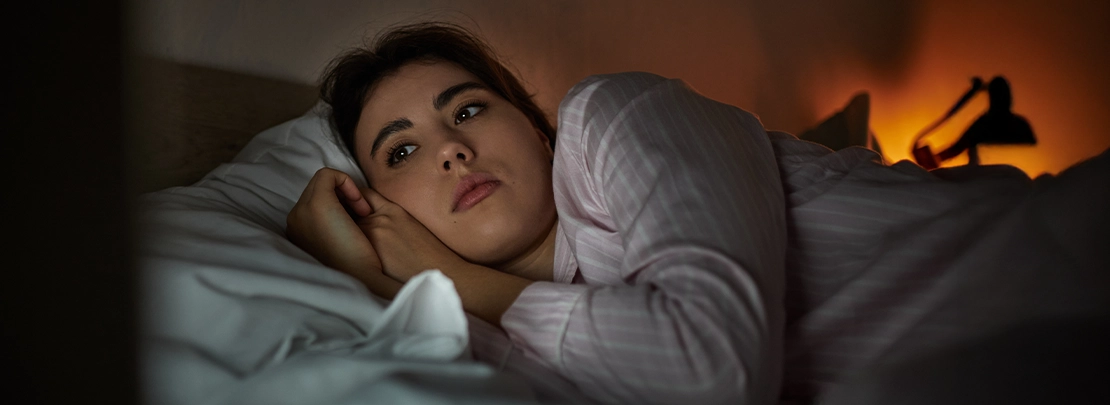
When sleep becomes poor, irregular, shortened, or fragmented, the effects are rarely limited to tiredness alone. Sleep disruption can influence appetite, stress response, menstrual health, metabolism, skin, hair, mood, fertility, insulin sensitivity, and emotional resilience.
This explains the growing scientific interest in the relationship between sleep and hormones.
For women especially, hormonal systems are highly sensitive to sleep quality. Reproductive hormones, thyroid function, stress hormones, blood sugar regulation, and mood-related neurotransmitters all interact closely with circadian rhythm and sleep cycles.
At Dr Batra’s, hormonal wellness is approached holistically. A Dr Batra’s expert homeopathy doctor evaluates the individual’s sleep pattern, stress response, emotional wellbeing, menstrual rhythm, digestion, fatigue pattern, and constitutional tendencies rather than viewing insomnia or hormonal symptoms in isolation.
When prescribed by qualified practitioners, homeopathy is considered gentle, individualised, natural, and suitable for supportive wellness care across different age groups.
Why sleep matters for hormonal balance
The body follows a circadian rhythm — a 24-hour biological clock that regulates hormone release, sleep cycles, temperature, digestion, metabolism, and energy production.
Hormones do not release randomly throughout the day. Many are tied directly to sleep quality and timing. Healthy sleep helps regulate:
- Stress hormones
- Appetite hormones
- Insulin sensitivity
- Reproductive hormones
- Growth and repair hormones
- Mood-related chemistry
- Inflammatory pathways
- Thyroid-related metabolic activity
This is why chronic sleep deprivation can gradually disturb multiple body systems simultaneously.
The biological connection between sleep and hormones
The relationship between sleep and hormones works in both directions.
- Poor sleep can disturb hormones.
- Hormonal imbalance can also disturb sleep.
For example:
- Stress hormones may rise when sleep is poor.
- Menstrual changes may worsen insomnia.
- Thyroid imbalance may disturb sleep quality.
- Blood sugar instability may trigger nighttime waking.
- Anxiety may prevent deep restorative sleep.
Over time, this can create a cycle where hormonal imbalance worsens sleep, and poor sleep worsens hormonal imbalance further.
What happens hormonally during sleep deprivation?
The effects of sleep deprivation hormones are wide-ranging. When the body does not get adequate sleep, hormonal regulation becomes less efficient. Research shows that chronic sleep restriction may affect:
- Cortisol regulation
- Insulin sensitivity
- Appetite signalling
- Inflammatory activity
- Reproductive hormone balance
- Stress adaptation
- Energy metabolism
This is why women experiencing poor sleep often notice multiple symptoms appearing together.
1. Poor sleep increases stress hormones
One of the strongest effects of sleep deprivation is dysregulation of stress hormones. When sleep becomes inadequate, the body may remain in a heightened stress state. Cortisol rhythm can become disrupted, leading to:
- Feeling wired but exhausted
- Morning fatigue
- Night-time alertness
- Anxiety
- Restlessness
- Sugar cravings
- Mood instability
- Poor recovery from stress
This creates a direct connection between sleep deprivation hormones and emotional burnout.
2. Poor sleep affects appetite hormones
Sleep deprivation may influence hunger and satiety signals. Women sleeping poorly often report:
- Increased cravings
- Emotional eating
- Sugar cravings
- Late-night hunger
- Reduced fullness after meals
- Weight gain tendency
This is not only a discipline issue. Hormonal signalling related to appetite may become disrupted when sleep is consistently inadequate.
3. Poor sleep affects insulin sensitivity
The body becomes less efficient at handling glucose when sleep is poor. Over time, chronic sleep disruption may contribute to:
- Energy crashes
- Sugar cravings
- Weight gain
- Fatigue after meals
- Mood fluctuations
- Metabolic strain
Women already dealing with PCOS tendencies or insulin resistance may notice worsening symptoms during prolonged sleep deprivation.
4. Poor sleep affects reproductive hormones
Reproductive hormones are closely tied to circadian rhythm. Poor sleep may contribute to:
- Irregular periods
- Worsened PMS
- Ovulation disruption
- Mood changes before periods
- Fatigue during cycles
- Reduced emotional resilience
This is why chronic insomnia should never be viewed only as a sleep problem.
5. Poor sleep affects thyroid-related symptoms
Women experiencing thyroid-related fatigue may find symptoms worsening when sleep quality declines. Poor sleep may intensify:
- Brain fog
- Weight changes
- Fatigue
- Low mood
- Reduced concentration
- Stress sensitivity
The body’s hormonal systems are interconnected, so poor sleep can amplify existing vulnerabilities.
Why women are especially vulnerable to sleep-related hormonal imbalance
Women experience hormonal fluctuations across different life stages, making sleep quality even more important. Sleep may become disturbed during:
- PMS
- Pregnancy
- Postpartum recovery
- Perimenopause
- Menopause
- High stress periods
- Thyroid imbalance
- PCOS-related hormonal changes
This explains why women often experience both sleep symptoms and hormonal symptoms together.
Common symptoms linked to sleep deprivation hormones
Symptoms linked to sleep deprivation hormones may include:
- Fatigue
- Anxiety
- Brain fog
- Mood swings
- Irritability
- Cravings
- Weight gain
- Low motivation
- Hair fall
- Acne flare-ups
- Poor concentration
- Digestive discomfort
- Low stress tolerance
- Poor recovery after exertion
- Irregular periods
- Feeling tired despite sleeping
Persistent symptoms should not be ignored.
The UAE lifestyle and sleep disruption
Sleep disturbance has become increasingly common in the UAE due to modern lifestyle patterns. Contributors may include:
- Late-night schedules
- Excess screen exposure
- Shift work
- High work stress
- Indoor lifestyles
- Excess caffeine
- Heat-related fatigue
- Poor sleep routines
- Long commuting hours
- Social schedules extending late into the night
This may partialy explain the rising concern around insomnia UAE and stress-related hormonal symptoms.
Many women living in high-performance urban environments function in a state of chronic sleep debt without recognising how deeply it may affect hormonal health.
Understanding insomnia and hormonal imbalance
Insomnia UAE concerns are increasingly relevant because chronic sleep problems rarely remain isolated.
Insomnia may involve:
- Difficulty falling asleep
- Difficulty staying asleep
- Frequent waking
- Non-restorative sleep
- Early morning waking
- Restless sleep
- Racing thoughts at night
Over time, poor sleep may contribute to:
- Fatigue
- Stress hormone dysregulation
- Anxiety
- Hormonal imbalance
- Weight changes
- Reduced emotional resilience
- Poor concentration
- Digestive disturbance
This is why insomnia requires a deeper wellness-focused approach rather than only temporary symptom suppression.
Can hormonal imbalance itself cause poor sleep?
Yes. Hormonal imbalance can also disturb sleep. Examples include:
- Stress hormone dysregulation
- PMS-related sleep changes
- Perimenopausal night waking
- Thyroid-related restlessness
- Anxiety-related insomnia
- Blood sugar instability during the night
This is why proper assessment matters. Sleep symptoms and hormonal symptoms often influence each other simultaneously.
Why proper diagnosis matters
Poor sleep should not automatically be dismissed as stress alone. A doctor may evaluate:
- Sleep history
- Stress levels
- Thyroid function
- Iron and ferritin
- Vitamin D
- Vitamin B12
- Blood sugar regulation
- Menstrual history
- Perimenopausal symptoms
- Medication history
- Mental health symptoms
- Lifestyle patterns
A responsible plan should identify underlying contributors rather than treating every sleep issue the same way.
Homeopathy and sleep-related hormonal imbalance
Homeopathy approaches sleep and hormonal wellness by studying the complete individual pattern. A Dr Batra doctor expert homeopathy doctor may evaluate:
- Sleep timing
- Dream patterns
- Night waking
- Stress triggers
- Mental restlessness
- Emotional sensitivity
- Fatigue pattern
- Hormonal symptoms
- Menstrual changes
- Temperature sensitivity
- Digestive symptoms
- Work stress
- Anxiety pattern
- Lifestyle rhythm
This allows care to remain individualised rather than symptom-based.
Homeopathy for stress and sleep imbalance
Homeopathy considers emotional health, nervous system regulation, and constitutional tendencies as important parts of overall wellbeing. A consultation may explore:
- Why sleep is disturbed
- What worsens insomnia
- Whether stress is emotional or physical
- How anxiety appears in the body
- Whether fatigue coexists with restlessness
- How hormonal symptoms fluctuate with stress or sleep changes
This holistic understanding is one reason Dr Batra’s is associated with best homeopathy treatment for chronic recurring wellness concerns.
Why Dr Batra’s for sleep and hormonal wellness?
Dr Batra’s is especially relevant for individuals seeking:
- homeopathy doctors in UAE
- best homeopathy treatment
- homeopathy treatment for hormonal imbalance
- homeopathy for stress and anxiety
- homeopathy for women’s health
- natural hormonal imbalance treatment UAE
- holistic hormonal health UAE
- homeopathy clinic in Dubai
- homeopathy clinic in Abu Dhabi
A consultation focuses on the whole person rather than isolated symptoms. Assessment may include:
- Sleep patterns
- Stress response
- Hormonal symptoms
- Energy levels
- Emotional wellbeing
- Menstrual history
- Lifestyle rhythm
- Digestive health
- Hair and skin changes
- Constitutional tendencies
Is homeopathy safe for sleep-related hormonal concerns?
When prescribed by qualified practitioners, homeopathy is generally considered gentle, natural, and individualised. It may be considered as supportive wellness care for:
- Teenagers with stress-related sleep issues
- Women with PMS-related sleep disturbance
- Perimenopausal women
- Women with fatigue and anxiety
- Stress-related insomnia patterns
- Sleep disruption linked to emotional strain
Because hormonal symptoms may sometimes indicate medical conditions, proper diagnosis and medical supervision remain important.
Daily habits that support healthy sleep and hormones
1. Maintain a consistent sleep schedule
The body responds well to rhythm.
Going to sleep and waking up at similar times each day supports circadian stability and hormonal regulation.
2. Reduce screen exposure at night
Bright screens and late-night stimulation may interfere with melatonin rhythm and nervous system relaxation.
Try reducing screens at least 60 to 90 minutes before bed.
3. Manage caffeine carefully
Excess caffeine may worsen:
- Anxiety
- Night waking
- Restlessness
- Palpitations
- Sleep delay
Women sensitive to caffeine may benefit from limiting intake later in the day.
4. Eat balanced evening meals
Very heavy meals, excessive sugar, or irregular eating may worsen sleep quality and overnight blood sugar stability.
5. Support nervous system recovery
Helpful practices include:
- Breathing exercises
- Meditation
- Stretching
- Prayer
- Quiet reading
- Warm showers
- Journaling
- Digital detox before bed
6. Move during the day
Physical movement supports sleep quality, stress regulation, and hormonal health.
Walking, yoga, strength training, swimming, and low-impact exercise may all be helpful depending on energy levels.
7. Do not ignore chronic insomnia
Persistent sleep problems deserve proper evaluation, especially when accompanied by fatigue, mood changes, weight changes, irregular periods, anxiety, or hair fall.
When to seek medical evaluation
Consult a doctor if you experience:
- Severe insomnia
- Persistent fatigue
- Loud snoring or breathing pauses
- Extreme daytime sleepiness
- Rapid weight changes
- Irregular periods
- Depression or severe anxiety
- Hair fall with exhaustion
- Palpitations
- Thyroid-related symptoms
- Sleep problems lasting several weeks







 Call Now