Introduction
Uneven skin tone, dark patches, stubborn marks, and discoloration are among the most common skin concerns people face today. In countries like the UAE, where strong sunlight, heat exposure, stress, pollution, and lifestyle changes are part of everyday life, skin pigmentation concerns have become increasingly common across all age groups.
Many people search for answers about pigmentation on face, wondering why these patches appear, what causes them, and whether they can be managed naturally and safely.
The truth is that facial pigmentation is not just a cosmetic concern. In many cases, your skin may actually be signaling internal imbalance, excessive sun exposure, hormonal shifts, inflammation, stress, or skin sensitivity.
Understanding the types of face pigmentation is important because each type behaves differently and may require a different approach to care.
Homeopathy takes a holistic and personalised approach toward skin health. Rather than focusing only on visible pigmentation, it aims to understand the root tendencies behind recurring skin concerns. At Dr Batra’s, the focus is on safe, gentle, natural, and individualised care suitable for different age groups.
For people searching online for homeopathy doctors in UAE, best homeopathy clinic in Dubai, natural treatment for pigmentation, homeopathy treatment for skin pigmentation, or holistic skin care UAE, understanding your pigmentation type is the first step toward healthier skin.
What is facial pigmentation?
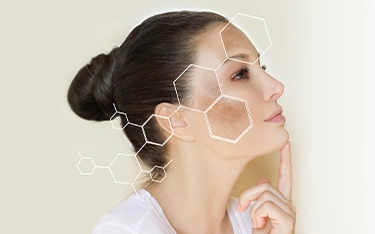
Facial pigmentation happens when certain areas of the skin produce excess melanin, the natural pigment responsible for skin colour. This leads to darker patches, uneven tone, spots, or discoloration on the face.
While some pigmentation may fade naturally over time, other forms can become chronic or repeatedly return if triggers are not addressed properly.
Common areas affected include:
- Cheeks
- Forehead
- Nose
- Upper lip
- Jawline
- Around the eyes
- Temples
Many people experiencing pigmentation on face initially assume all dark patches are the same. However, there are multiple kinds of pigmentation, and understanding the exact type helps determine the right long-term care approach.
Why pigmentation is common in the UAE
The UAE climate creates several conditions that may contribute to pigmentation issues.
Common local triggers include:
- Strong year-round sunlight
- Heat exposure
- Outdoor commuting
- Dehydration
- Stressful lifestyle
- Air pollution
- Skin sensitivity
- Hormonal changes
- Overuse of cosmetic products
- Aggressive skin treatments
This is why many residents actively search for homeopathy doctors in UAE and natural skin pigmentation treatment UAE to explore gentle and holistic care options.
The connection between skin and internal health
The skin often reflects what is happening internally. Factors like stress, sleep imbalance, hormones, inflammation, poor skin barrier health, and environmental exposure may all influence pigmentation patterns.
Homeopathy considers the body as a whole rather than separating the skin from overall health. This holistic philosophy is one reason many people prefer consulting experienced homeopathy doctors in UAE for chronic or recurring skin concerns.
1. Melasma
Melasma is one of the most common forms of pigmentation on face. It usually appears as symmetrical brown or grey-brown patches across the cheeks, forehead, nose, upper lip, or jawline.
It is particularly common among women and people with medium to deeper skin tones.
What causes melasma?
Common triggers include:
- Hormonal changes
- Sun exposure
- Heat exposure
- Pregnancy-related changes
- Stress
- Genetics
- Sensitive skin
Many people search online for melasma vs hyperpigmentation because melasma behaves differently from regular dark spots.
Melasma often appears deeper, more symmetrical, and more resistant to temporary cosmetic solutions.
What your skin may be telling you
Melasma may indicate:
- Sun sensitivity
- Hormonal influence
- Heat-triggered pigmentation tendency
- Chronic skin sensitivity
In the UAE climate, sun and heat exposure can significantly worsen melasma, making long-term prevention especially important.
2. Post-inflammatory hyperpigmentation (PIH)
This type of pigmentation develops after the skin experiences inflammation or irritation.
Common triggers include:
- Acne
- Skin injuries
- Burns
- Rashes
- Aggressive facials
- Harsh exfoliation
- Improper cosmetic treatments
After the inflammation heals, dark marks remain behind.
What your skin may be telling you
Your skin may be signaling:
- Barrier damage
- Inflammation sensitivity
- Over-irritation from products
- Poor skin recovery
People with sensitive or acne-prone skin are more likely to develop post-inflammatory pigmentation.
This is also why many patients researching melasma vs hyperpigmentation become confused. While melasma is often hormone and sun linked, post-inflammatory hyperpigmentation usually follows skin trauma or inflammation.
3. Sun pigmentation
Sun pigmentation face concerns are extremely common in hot and sunny countries like the UAE.
This type of pigmentation develops due to repeated ultraviolet exposure over time. The skin gradually produces excess pigment as a protective response against sunlight damage.
Common signs
- Sunspots
- Dark patches
- Uneven tone
- Freckles becoming darker
- Patchy discoloration
What your skin may be telling you
Your skin may be signaling:
- Excessive UV exposure
- Insufficient sun protection
- Heat sensitivity
- Premature skin stress
For people dealing with sun pigmentation face issues, prevention becomes just as important as treatment.
4. Freckles
Freckles are small brown spots usually triggered by sun exposure and genetics.
Unlike deeper pigmentation disorders, freckles are typically smaller and more scattered.
They often become darker during summer and lighter during winter.
What your skin may be telling you
Your skin may naturally be more reactive to sunlight.
Freckles themselves are generally harmless, but increased darkening may suggest excessive UV exposure.
5. Age spots
Age spots are another common type of face pigmentation, especially among older adults.
They usually appear after years of cumulative sun exposure and skin ageing.
These spots are commonly seen on:
- Cheeks
- Forehead
- Hands
- Temples
What your skin may be telling you
Your skin may be reflecting:
Long-term sun exposure
Natural ageing changes
Cumulative environmental stress
As skin ages, recovery and regeneration naturally slow down, making pigmentation more noticeable.
6. Periorbital pigmentation (dark pigmentation around eyes)
Dark pigmentation around the eyes is another common facial concern.
It may appear due to:
- Fatigue
- Stress
- Lack of sleep
- Genetics
- Screen exposure
- Thin skin under eyes
- Allergies
- Lifestyle imbalance
What your skin may be telling you
Your skin may be signaling:
- Sleep imbalance
- Stress overload
- Lifestyle fatigue
- Circulation-related concerns
Homeopathy often considers emotional health, sleep quality, and stress patterns as part of the overall assessment.
Melasma vs hyperpigmentation: Understanding the difference
One of the most searched questions online is the difference between melasma vs hyperpigmentation.
Although both involve darker skin patches, they are not exactly the same.
Melasma
Usually symmetrical
Often hormone-related
Triggered by sun and heat
Common on cheeks and forehead
Can become chronic
Hyperpigmentation
Often follows acne or irritation
Can appear anywhere
Usually linked to inflammation or injury
May fade gradually over time
Understanding melasma vs hyperpigmentation is important because different triggers require different management strategies.
Why harsh treatments can sometimes worsen pigmentation
Many people try aggressive peels, scrubs, or strong cosmetic treatments hoping for faster results. However, sensitive skin may react negatively.
Over-treatment can sometimes lead to:
- Skin irritation
- Barrier damage
- Inflammation
- Rebound pigmentation
- Increased sensitivity
This is why gentle and personalised care becomes important, especially for chronic pigmentation conditions.
How homeopathy approaches facial pigmentation
Homeopathy follows a holistic and individualised approach.
Rather than focusing only on dark patches, the consultation may include:
- Skin sensitivity
- Hormonal patterns
- Sun and heat triggers
- Stress levels
- Sleep quality
- Digestive tendencies
- Lifestyle factors
- Recurrence patterns
- Emotional health
- Family history
This comprehensive assessment is one reason many people search for best homeopathy doctors in UAE for chronic skin concerns.
Is homeopathy safe for skin pigmentation?
Homeopathy is generally considered gentle and non-invasive when prescribed by qualified practitioners.
Many people choose homeopathy because it is viewed as:
- Natural
- Personalised
- Holistic
- Suitable for long-term care
- Gentle on sensitive skin
- Appropriate for different age groups
For patients looking for natural treatment for pigmentation, homeopathy offers a supportive approach focused on overall skin balance rather than aggressive correction alone.
Homeopathy for all age groups
One of the major advantages of homeopathy is its personalised nature.
Homeopathy can be considered for:
- Teenagers
- Adults
- Working professionals
- Pregnant women under supervision
- Older adults
Because every treatment plan is individualised, the approach adapts according to the person’s age, sensitivity, and health profile.
This makes many people feel more comfortable exploring homeopathy treatment for pigmentation in UAE.
Why people in the UAE choose homeopathy for pigmentation
Residents in the UAE often deal with repeated pigmentation triggers because of climate and lifestyle.
Many patients prefer homeopathy because they are looking for:
- Natural skin care support
- Holistic treatment
- Gentle solutions
- Long-term skin balance
- Safe options for sensitive skin
- Non-invasive care
- Personalised consultation
This explains the rising searches for:
- homeopathy doctors in UAE
- homeopathy clinic Dubai
- best homeopathy clinic Abu Dhabi
- natural treatment for skin pigmentation
- holistic skin clinic UAE
- safe pigmentation treatment Dubai
- homeopathy for melasma UAE
- natural pigmentation care UAE
Lifestyle tips for managing pigmentation naturally
Daily sun protection
Sun protection is essential for every type of pigmentation.
Helpful habits include:
- Avoiding peak sunlight hours
- Using physical sun barriers
- Wearing hats outdoors
- Avoiding excessive heat exposure
- Protecting skin while driving
This is especially important for sun pigmentation face concerns in the UAE climate.
Gentle skincare matters
Over-cleansing and aggressive exfoliation may worsen pigmentation.
A gentle skin barrier-focused routine is often safer for sensitive skin.
Hydration and sleep
Healthy skin recovery depends on:
- Proper hydration
- Quality sleep
- Stress management
- Balanced lifestyle habits
The skin often reflects internal imbalance.
Stress management
Stress may influence inflammation, hormones, and skin sensitivity.
Homeopathy often includes a holistic understanding of emotional and physical wellness together.
Why personalised consultation matters
No two pigmentation cases are identical.
Some patients mainly struggle with sun exposure.
Others have hormonal triggers.
Some develop pigmentation after acne.
Others experience chronic recurrence despite trying multiple products.
This is why consulting qualified homeopathy doctors in UAE can help create a more individualised approach based on your skin type, lifestyle, sensitivity, and health history.







 Call Now