

X

Introduction: When Hair Fall Feels Sudden, Severe, and Deeply Distressing

Hair fall is one of the most common concerns seen in clinical practice, but not all hair fall behaves the same way.

There is a category of hair loss that patients consistently describe with urgency and fear—not because of long-term thinning, but because of how suddenly it begins and how dramatically it presents itself.

One day, everything feels normal.

Then, within weeks, you begin to notice:

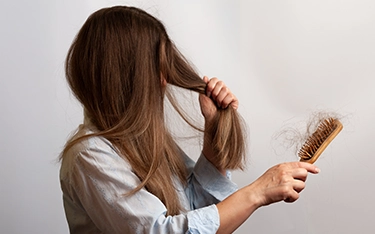
  • Hair shedding in large amounts while combing
  • Clumps of hair during washing
  • Increased hair strands on pillows and clothing
  • Reduced volume and density
  • A visible difference in how your hair looks and feels

This experience is not subtle. It is visibly and emotionally overwhelming.

Patients often describe it as:

“It feels like my hair is just falling out all at once.”

This condition is medically known as telogen effluvium, and it is one of the most frequently misunderstood forms of hair loss.

From a conventional perspective, it is often labeled as temporary.

From a homeopathic and holistic medical perspective, it is more than temporary hair fall—it is a systemic signal, a response of the body to internal imbalance, stress, or physiological shock.

Understanding this distinction is crucial, because it changes how the condition should be treated.

Hair Growth Is a Biological Process, Not Just a Cosmetic Feature

Hair is often seen as an external, aesthetic element. However, from a medical standpoint, hair growth is a metabolically active, biologically regulated process.

Each hair follicle is:

  • Highly sensitive to internal changes
  • Dependent on consistent nutrition
  • Influenced by hormones and immune signals
  • Responsive to physical and emotional stress

Most importantly, hair growth is not essential for survival.

When the body faces stress, it prioritizes functions that are critical for life, such as:

  • Brain activity
  • Cardiovascular function
  • Respiratory efficiency
  • Organ repair

In such situations, the body may temporarily reduce or suspend non-essential processes, including hair growth.

This is not damage.
It is a protective adaptation.

The Hair Growth Cycle – A Detailed Scientific Overview

To understand telogen effluvium, it is essential to understand the normal hair cycle.

Anagen Phase (Active Growth Phase)

  • Duration: 2 to 6 years
  • Around 85–90% of hair is in this phase
  • Hair grows actively from the follicle

This phase determines hair length and thickness.

Catagen Phase (Transition Phase)

  • Duration: 2–3 weeks
  • Hair detaches from its blood supply
  • Growth slows down

This is a brief, transitional stage.

Telogen Phase (Resting and Shedding Phase)

  • Duration: 2–3 months
  • Hair remains inactive
  • Eventually sheds naturally

Under normal conditions:

  • Daily shedding is minimal and unnoticed
  • Hair growth and shedding remain balanced

What Happens in Telogen Effluvium – The Core Mechanism

In telogen effluvium, the balance of the hair cycle is disrupted.

Instead of a small percentage of hair entering the resting phase, a large number of follicles shift simultaneously into the telogen phase.

This results in:

  • Sudden onset of hair shedding
  • Diffuse hair loss across the scalp
  • Noticeable reduction in hair density

The key difference lies in synchronization.

Normally, hair follicles behave independently.

In telogen effluvium, they behave collectively.

This creates the experience of sudden, excessive hair fall.

Why Hair Fall Appears Delayed – The 2–3 Month Gap Explained

One of the most confusing aspects of telogen effluvium is timing.

The triggering event occurs first.

Hair fall begins later.

This delay happens because:

  • Hair follicles enter the resting phase immediately after stress
  • Shedding occurs only after the telogen phase completes

This results in a delay of 6–12 weeks.

For example:

  • Illness in January
  • Hair fall in March

This disconnect often causes patients to overlook the real cause.

Post-COVID Hair Fall – A Multi-Layered Impact

COVID-19 has significantly increased cases of telogen effluvium.

Its impact is not limited to infection—it affects the body on multiple levels.

Systemic Inflammation

COVID triggers widespread inflammation, which:

  • Disrupts blood flow
  • Affects nutrient delivery
  • Impacts follicle health

Hair follicles, being highly sensitive, respond by entering rest phase.

Fever-Induced Stress

High fever accelerates metabolic stress, leading the body to:

  • Conserve energy
  • Reduce hair growth activity

Nutritional Deficiency

During illness:

  • Appetite decreases
  • Nutrient intake drops
  • Absorption may be compromised

This weakens hair structure and roots.

Emotional Stress

The psychological burden of illness—fear, isolation, uncertainty—prolongs internal stress, which continues to impact hair cycles even after recovery.

Hair Fall After Weight Loss – When Change Becomes Stress

Weight loss is beneficial when done correctly.

However, rapid or extreme weight loss creates internal imbalance.

Nutritional Deficiency

Hair requires:

  • Protein
  • Iron
  • Zinc
  • Vitamins

When intake is insufficient, hair growth slows.

Energy Conservation Mode

The body prioritizes survival over appearance.

Hair growth is reduced to conserve energy.

Hormonal Changes

Rapid weight loss disrupts hormonal balance, affecting hair growth cycles.

Stress – The Most Persistent Trigger

Stress is not just emotional—it is biochemical.

It affects:

  • Hormones
  • Blood circulation
  • Immune function

Stress leads to:

  • Increased cortisol
  • Reduced scalp blood flow
  • Prolonged shedding

It also delays recovery.

Why Hair Fall Feels Worse Than It Is

Patients often feel their condition is worsening.

In reality, they are experiencing:

  • Peak shedding phase
  • Synchronised hair loss

This phase is temporary.

Regrowth – The Silent Recovery Phase

Hair regrowth begins before it becomes visible.

New hair appears:

  • Thin
  • Soft
  • Short

Over time:

  • It thickens
  • Gains strength
  • Restores density

Why External Treatments Are Not Enough

Shampoos and serums act on the surface.

They do not:

  • Correct internal imbalance
  • Address stress
  • Restore hair cycle

This limits their effectiveness.

Homeopathic Approach – Restoring Internal Balance

At Dr. Batra’s Homeopathy Clinic, telogen effluvium is treated holistically.

Hair fall is seen as a systemic response, not just a localized issue.

Individualized Treatment

Each patient is unique.

Treatment is based on:

  • Physical triggers
  • Emotional state
  • Lifestyle patterns

Mechanism of Action

Homeopathy works by:

  • Stimulating natural healing
  • Restoring balance
  • Regulating the hair cycle

Why It Is Safe and Effective

  • Natural treatment
  • No side effects
  • Suitable for long-term use
  • Addresses root cause

Supporting Recovery – A Complete Lifestyle Framework

Balanced Nutrition

Avoid extremes. Focus on stability.

Stress Reduction

Manage emotional triggers actively.

Hair Care

Be gentle. Avoid over-treatment.

Consistency

Recovery requires patience.

When to Seek Professional Help

Consult a specialist if:

  • Hair fall persists beyond 3–4 months
  • There is no regrowth
  • Hair thinning is visible

Conclusion: From Panic to Understanding

Telogen effluvium is not permanent hair loss.

It is a temporary adaptation to stress.

With the right approach:

  • Hair growth resumes
  • Density improves
  • Balance is restored

The key is to treat not just the hair—but the whole system.

Disclaimer

This article is for informational purposes only and does not constitute medical advice, diagnosis, or treatment. Hair fall conditions vary between individuals. Homeopathic treatment supports overall balance; however, results may vary. Please consult a qualified healthcare professional for proper evaluation and personalized treatment.

FAQs

What is telogen effluvium?

Telogen effluvium is a type of sudden, diffuse hair shedding that happens when a large number of hair follicles enter the resting and shedding phase earlier than normal. It usually occurs 2 to 3 months after a trigger such as illness, rapid weight loss, emotional stress, surgery, fever, or hormonal imbalance. Unlike patchy hair loss, telogen effluvium usually causes overall thinning across the scalp.

Why does hair fall start weeks after COVID or illness?

Hair fall after COVID or illness is usually delayed because the body pushes hair follicles into the telogen phase during the stressful event, but the actual shedding becomes visible only after that phase completes. This is why many people recover from the illness first and then notice sudden hair shedding 6 to 12 weeks later.

Can rapid weight loss cause sudden hair fall?

Yes, rapid weight loss is a common trigger for sudden hair fall. When the body goes through a significant calorie deficit, nutrient intake often drops, especially protein, iron, zinc, and essential vitamins. Since hair growth is not a survival priority, the body may temporarily reduce support to hair follicles, leading to increased shedding.

Is telogen effluvium permanent?

In most cases, telogen effluvium is temporary. The hair follicles are usually not permanently damaged; they are simply pushed into a resting phase. Once the underlying trigger is addressed and the body regains balance, hair growth typically starts again. However, recovery may take time, especially if stress, nutritional deficiency, or hormonal imbalance continues.

How long does telogen effluvium last?

Telogen effluvium usually begins 2 to 3 months after the trigger and can last for 2 to 4 months in its active shedding phase. Visible recovery may take 3 to 6 months or longer, depending on the person’s overall health, diet, stress levels, and treatment approach.

How do I know if my hair fall is telogen effluvium or something else?

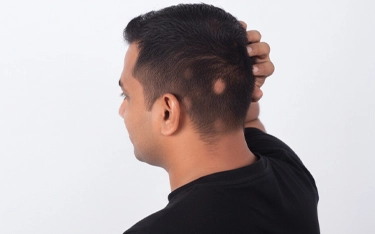
Telogen effluvium usually presents as sudden, diffuse shedding across the entire scalp rather than bald patches. You may notice more hair than usual while washing, combing, or tying your hair. If the shedding started after a stressful event, illness, or rapid weight change, telogen effluvium becomes more likely. A professional evaluation is still important to rule out other causes such as hormonal imbalance, nutritional deficiencies, thyroid issues, or patterned hair loss.

Can emotional stress alone trigger telogen effluvium?

Yes, emotional stress can be a significant trigger. Anxiety, grief, burnout, long-term mental strain, and sleep disruption can affect the body’s hormonal and inflammatory balance, which may push hair follicles into the shedding phase. In many patients, emotional stress does not act alone but combines with physical triggers to worsen hair fall.

Does hair regrow after telogen effluvium?

Yes, in most cases, hair does regrow after telogen effluvium. Regrowth often begins gradually and may first appear as short, fine, soft new hair. Over time, these strands become stronger and thicker. Recovery is usually not immediate, so patience and consistency are important.

Do shampoos and serums cure telogen effluvium?

Shampoos and serums may support scalp condition and improve hair texture, but they usually do not address the internal trigger behind telogen effluvium. Since this condition is often caused by illness, stress, weight loss, or nutritional imbalance, treatment should focus on the root cause, not only the surface.

How does homeopathy help in telogen effluvium?

From a homeopathic perspective, telogen effluvium is seen as a response to internal imbalance, stress, or systemic shock. Homeopathy focuses on the individual’s overall condition rather than treating hair fall in isolation. It aims to support the body’s natural recovery, improve internal balance, and address factors such as stress, fatigue, reduced vitality, and post-illness weakness that may be contributing to prolonged hair shedding.

When should I see a doctor for sudden hair fall?

You should seek professional advice if:

  • hair fall continues for more than a few months
  • hair thinning becomes clearly visible
  • there is no sign of regrowth
  • hair loss is accompanied by fatigue, irregular periods, weight changes, or scalp symptoms
  • you are unsure whether the condition is telogen effluvium or another type of hair loss