Introduction
Dandruff is one of the most common scalp concerns, yet it is also one of the most misunderstood. Many people assume dandruff happens because the scalp is dirty, dry, or poorly washed. In reality, dandruff is usually linked to scalp imbalance, excess oil activity, yeast overgrowth, inflammation, sensitivity, stress, climate changes, and lifestyle triggers.
Clinically, dandruff is often considered a mild form of seborrhoeic dermatitis affecting the scalp. It can cause white or yellowish flakes, itching, irritation, oiliness, and recurring scalp discomfort. It is not contagious, and it is not a sign of poor hygiene.
In the UAE, dandruff can become more stubborn because the scalp is exposed to constant environmental changes: heat, humidity, sweating, air conditioning, hard water concerns, frequent styling, and stress. These factors can disturb the scalp barrier and make flaking return again and again.
At Dr Batra’s, dandruff is approached as more than a cosmetic scalp issue. Homeopathy evaluates the person’s complete health pattern, including scalp sensitivity, stress response, oil production, sleep quality, diet, recurrence pattern, emotional triggers, and overall constitution.
When prescribed by qualified practitioners, homeopathy is considered gentle, individualised, natural, and suitable for long-term wellness support across different age groups. For individuals seeking homeopathy doctors in UAE, homeopathy treatment for dandruff, natural dandruff treatment UAE, homeopathy for scalp problems, or holistic scalp care UAE, the goal is not only to reduce flakes but also to support healthier scalp balance from within.
What is dandruff?
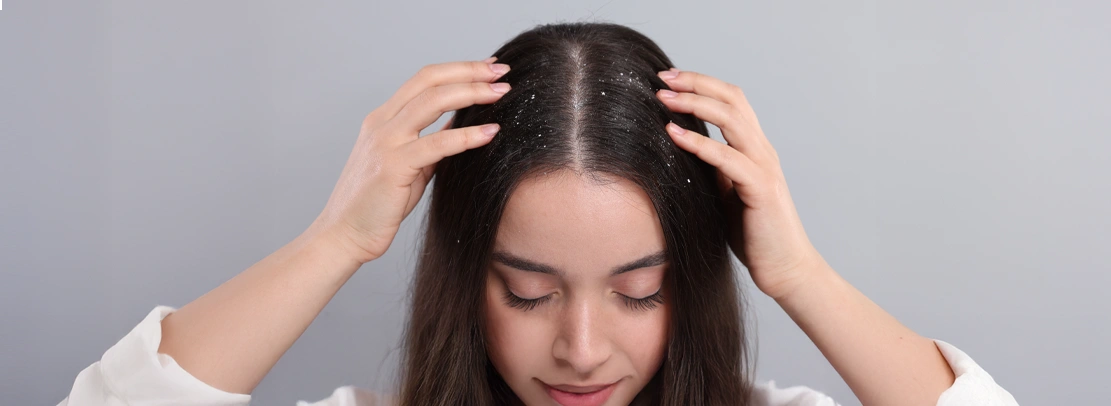
Dandruff is a scalp condition where the skin sheds visible flakes. These flakes may be dry and white, or oily and yellowish. The scalp may also feel itchy, tight, irritated, greasy, or sensitive.
Dandruff commonly appears as:
- Visible flakes on the scalp
- Flakes on shoulders or clothing
- Itching
- Oily scalp
- Dry-feeling scalp
- Mild redness
- Scalp sensitivity
- Recurring flare-ups
Dandruff can be mild and occasional, or it can become chronic and persistent. When flaking is associated with redness, thick scaling, inflammation, or spread to the eyebrows, beard area, nose folds, or chest, it may suggest seborrhoeic dermatitis or another inflammatory scalp condition dandruff pattern that needs proper assessment.
What triggers dandruff?
Understanding what triggers dandruff is essential because dandruff is rarely caused by one single factor. It often develops when the scalp’s natural ecosystem becomes disturbed.
Common triggers include:
- Excess oil production
- Yeast overgrowth on the scalp
- Stress
- Sweating
- Weather changes
- Humidity
- Dry air conditioning
- Harsh hair products
- Infrequent or excessive washing
- Dietary imbalance
- Hormonal changes
- Poor scalp barrier health
- Certain underlying skin conditions
The exact trigger can differ from person to person. This is why a one-size-fits-all approach often fails.
1. Your scalp is producing too much oil
One of the most important reasons for dandruff is excess oil activity. The scalp naturally produces sebum, an oily substance that protects the skin. However, when oil production becomes excessive, it can create an environment where flakes, irritation, and yeast-related imbalance become more likely.
This type of dandruff often appears as:
- Greasy flakes
- Yellowish scaling
- Oily roots
- Itchy scalp
- Hair that becomes greasy quickly
- Flaking that returns soon after washing
How to stop it
A balanced scalp routine is essential. The aim is not to strip the scalp aggressively but to regulate oil, cleanse buildup, and maintain barrier health.
- Helpful steps include:
- Wash the scalp consistently
- Avoid heavy oils on an already oily scalp
- Do not leave sweat sitting on the scalp for long
- Use gentle scalp-friendly products
- Avoid scratching or picking flakes
- Seek professional help if scaling is persistent
Homeopathy evaluates why the scalp may be overactive, recurring, or inflamed rather than only focusing on surface flakes.
2. Yeast imbalance is irritating your scalp
A naturally occurring yeast called Malassezia lives on the scalp. In some individuals, it can multiply excessively or trigger an inflammatory response. This is one of the major biological reasons for dandruff and seborrhoeic dermatitis.
This does not mean the scalp is infected due to poor hygiene. Malassezia is normally present on human skin. The issue begins when the scalp becomes reactive to it or when oil, humidity, stress, and barrier imbalance allow it to become more active.
Signs this may be your trigger
- Recurring flakes
- Itching
- Greasy scalp
- Flaking that worsens in humid weather
- Redness or sensitivity
- Dandruff that keeps coming back
How to stop it
A proper scalp care plan is needed. Persistent or recurrent dandruff should be assessed by a qualified doctor, especially when inflammation, redness, or hair fall is present.
A holistic approach may include:
- Scalp evaluation
- Trigger identification
- Gentle cleansing routine
- Stress control
- Diet review
- Homeopathic constitutional assessment
- Long-term recurrence management
3. Stress is disturbing your scalp balance
The link between stress and dandruff is often underestimated. Stress does not always directly “cause” dandruff, but it can worsen inflammatory tendencies, oil production, sleep quality, immunity, and skin barrier function.
When stress increases, the scalp may become more reactive. Existing dandruff may flare, itching may worsen, and recovery may slow down.
Signs stress may be contributing
- Dandruff increases during deadlines
- Itching worsens during emotional strain
- Hair fall and flakes appear together
- Sleep is disturbed
- Scalp feels sensitive or inflamed
- Flare-ups happen repeatedly during high-pressure periods
How to stop it
Managing stress and dandruff requires both scalp care and nervous system regulation.
Helpful steps include:
- Prioritise sleep
- Exercise regularly
- Reduce late-night screen exposure
- Practise breathing exercises
- Take short breaks during work
- Avoid excessive caffeine if it worsens anxiety
- Maintain a consistent routine
At Dr Batra’s, emotional and stress patterns are considered important in chronic scalp conditions because the skin, scalp, immune system, and nervous system are closely connected.
4. Your diet may be worsening inflammation
The connection between diet causing dandruff is not always direct, but diet can influence inflammation, oil production, immunity, gut health, and scalp barrier function.
A diet high in sugar, refined carbohydrates, ultra-processed foods, and unhealthy fats may worsen inflammatory tendencies in some individuals. On the other hand, nutritional deficiencies may weaken scalp health and hair quality.
Food patterns that may worsen scalp imbalance
- Excess sugar
- Frequent fried foods
- Ultra-processed snacks
- Low protein intake
- Poor hydration
- Low intake of fruits and vegetables
- Excess refined carbohydrates
- Unbalanced crash diets
Nutrients that support scalp health
- Protein
- Omega-rich foods
- Zinc-rich foods
- Iron-rich foods when deficient
- Vitamin D support when low
- B vitamins
- Antioxidant-rich fruits and vegetables
How to stop it
A scalp-supportive diet should be balanced, not extreme.
Useful foods include:
- Eggs
- Lentils
- Beans
- Fish
- Nuts
- Seeds
- Leafy greens
- Berries
- Citrus fruits
- Whole grains
- Greek yoghurt
- Plenty of water
When evaluating diet causing dandruff, the goal is not to blame one food. The goal is to identify whether your overall dietary pattern is supporting or weakening scalp health.
5. Your washing routine is either too little or too harsh
Both under-washing and over-washing can contribute to dandruff.
If the scalp is not cleansed enough, oil, sweat, dead skin, and product buildup can accumulate. This may worsen flaking and itching.
If the scalp is washed too aggressively, the barrier may become irritated, dry, and reactive.
Signs your routine may be the issue
- Flakes worsen after using new products
- Scalp feels tight after washing
- Hair becomes greasy very quickly
- Itching increases after shampooing
- Flakes return despite frequent washing
- Scalp burns or stings
How to stop it
A balanced cleansing routine is key.
Helpful steps include:
- Cleanse according to scalp type
- Avoid very harsh products
- Rinse thoroughly
- Do not apply conditioner directly to oily scalp
- Avoid heavy product buildup
- Wash after heavy sweating
- Do not scratch aggressively while washing
A personalised approach is important because dry scalps, oily scalps, sensitive scalps, and inflammatory scalps need different routines.
6. UAE climate is triggering repeated flare-ups
Climate plays a major role in dandruff. In the UAE, the scalp is exposed to heat, humidity, sweat, dust, and constant air conditioning. These shifts can disturb the scalp barrier and trigger flaking.
Humidity and sweat may increase oiliness and irritation. Air conditioning may dry the scalp and worsen sensitivity. Frequent transitions between outdoor heat and cold indoor environments can make the scalp more reactive.
UAE-specific triggers
- Sweating under caps or helmets
- Outdoor heat exposure
- Air-conditioned offices
- Hard water concerns
- Dust and pollution
- Frequent styling
- Product buildup
- Heat styling
- Low hydration
How to stop it
A UAE-specific scalp routine should focus on balance.
Helpful steps include:
- Wash scalp after excessive sweating
- Keep scalp dry after workouts
- Avoid heavy oils in humid weather
- Hydrate well
- Use gentle scalp-friendly products
- Protect scalp from excess heat
- Avoid unnecessary styling buildup
- Consult a professional for recurring flakes
This is where natural dandruff treatment UAE and holistic scalp care UAE can become valuable when guided by qualified practitioners.
7. You may have an underlying scalp condition
Not every flaky scalp is simple dandruff. Sometimes, persistent flaking may indicate another scalp condition dandruff pattern such as seborrhoeic dermatitis, psoriasis, eczema, fungal concerns, contact dermatitis, or product allergy.
This is especially important if dandruff is severe, painful, red, spreading, or associated with hair loss.
Warning signs that need professional assessment
- Thick scales
- Bleeding from scratching
- Painful scalp
- Red patches
- Flaking beyond the scalp
- Severe itching
- Sudden hair fall
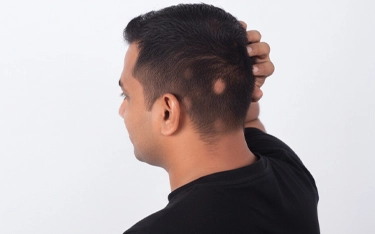
- Bald patches
- Crusting
- Persistent dandruff despite care
How to stop it
The first step is accurate diagnosis. Treating every scalp problem as ordinary dandruff can delay proper care.
At Dr Batra’s, scalp concerns are evaluated carefully to understand whether dandruff is isolated or part of a broader inflammatory, constitutional, or recurring skin pattern.
Can dandruff cause hair loss?
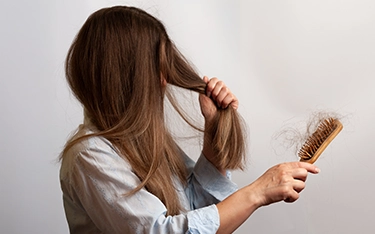
The relationship between dandruff and hair loss is usually indirect. Dandruff itself may not always cause permanent hair loss, but chronic itching, inflammation, scratching, and scalp irritation can weaken the scalp environment.
When the scalp is inflamed, hair may shed more easily. Excessive scratching can also damage hair shafts and irritate follicles.
When dandruff and hair loss appear together
You should seek professional help if you notice:
- Increased hair shedding
- Visible thinning
- Scalp redness
Pain or burning - Bald patches
- Severe itching
- Thick flakesHair fall lasting more than a few weeks
A healthy scalp is essential for healthy hair growth. Managing dandruff properly can support a better environment for the hair follicles.
How homeopathy approaches dandruff
Homeopathy does not treat dandruff as only flakes on the scalp. It studies the individual tendency behind the recurring condition.
A detailed homeopathic assessment may include:
- Type of flakes
- Dry or oily scalp pattern
- Itching intensity
- Triggers and seasons
- Stress connection
- Dietary habits
- Sleep quality
- Sweating tendency
- Skin sensitivity
- Hair fall pattern
- Family history
- Emotional stress
- Associated acne, eczema, or pigmentation
- Recurrence frequency
This is why homeopathy treatment for dandruff is personalised rather than generic.
Is homeopathy safe for dandruff?
Homeopathy is generally considered gentle and non-invasive when prescribed by qualified practitioners. It is often preferred by individuals looking for a natural and holistic approach to recurring scalp concerns.
It may be considered for:
Children
Teenagers
Adults
Older adults
Sensitive individuals
People with recurring dandruff
People with scalp sensitivity
People seeking long-term scalp wellness support
Because homeopathy is individualised, it can be adapted according to age, sensitivity, health history, and scalp condition.
For safe and appropriate care, it is important to consult qualified homeopathy doctors in UAE or licensed practitioners.
Why Dr Batra’s for dandruff and scalp health?
Dr Batra’s follows a personalised and holistic model of care for hair and scalp concerns. The approach focuses on understanding the underlying triggers rather than only controlling visible flakes temporarily.
The consultation may include:
Scalp history
Hair fall assessment
Stress evaluation
Diet and lifestyle review
Skin sensitivity pattern
Recurrence analysis
Individualised homeopathic care
Long-term scalp wellness guidance
This makes the approach relevant for individuals looking for homeopathy doctors in UAE, homeopathy clinic in Dubai, homeopathy clinic Abu Dhabi, homeopathy for scalp problems, homeopathy for dandruff, natural dandruff treatment UAE, and holistic dandruff treatment.
Practical daily routine to reduce dandruff recurrence
A consistent routine can reduce flare-ups and support scalp health.
Morning or daily habits
Avoid scratching the scalp
Stay hydrated
Keep hair and scalp clean
Avoid tight headwear for long hours
Manage sweating
Eat balanced meals
After workout or sweating
Do not leave sweat on the scalp for too long
Rinse or wash if needed
Dry the scalp properly
Avoid tying wet hair tightly
Weekly habits
Maintain a scalp-friendly wash schedule
Clean combs and brushes
Avoid product buildup
Limit heavy styling products
Monitor flare-up triggers
Lifestyle habits
Sleep well
Manage stress
Reduce excess sugar and processed foods
Include protein and micronutrient-rich meals
Protect scalp from harsh climate exposure
Common myths about dandruff
Myth 1: Dandruff means poor hygiene
False. Dandruff is not a sign of being unclean. It is commonly linked to scalp oil, yeast activity, inflammation, sensitivity, and triggers.
Myth 2: Oil always helps dandruff
Not always. Heavy oiling can worsen oily dandruff in some people by increasing buildup and scalp greasiness.
Myth 3: Dandruff only happens in winter
Dandruff can occur in any season. In the UAE, heat, humidity, sweat, and air conditioning can all trigger flare-ups.
Myth 4: Scratching removes dandruff
Scratching may temporarily loosen flakes, but it irritates the scalp and can worsen inflammation.
Myth 5: Dandruff and dry scalp are the same
They can look similar but are not always the same. Dandruff is often linked to oil, yeast, and inflammation, while dry scalp is usually related to moisture loss and barrier dryness.





 Call Now